Antique gold bracelets have a classic charm that goes beyond fleeting trends and contemporary styles. Characterised by their skilled craftsmanship, historical importance, and uniqueness, every piece provides a physical link to history while still being completely applicable today.
Whether purchased for personal use or as a thoughtful investment, antique gold bracelets embody a degree of artistry and personality that is rarely seen in modern jewellery. This guide delves into the key features, significant eras, and important factors to consider when choosing an antique gold bracelet.
Key Design Periods
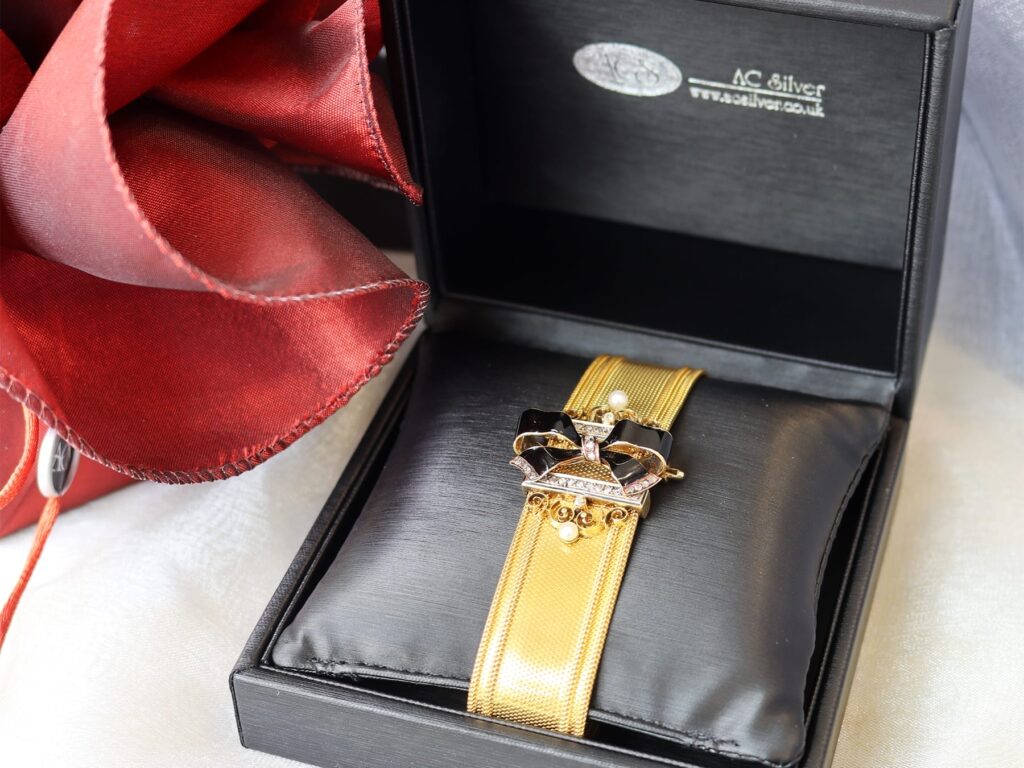
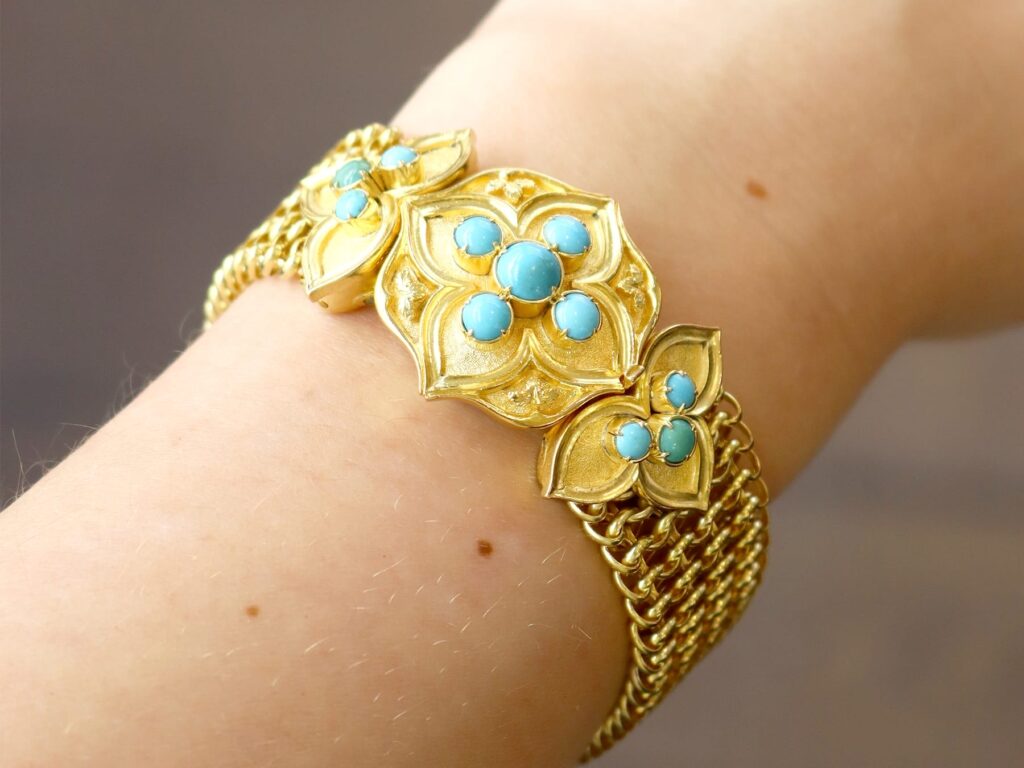
Victorian Gold Bracelets (1837–1901)
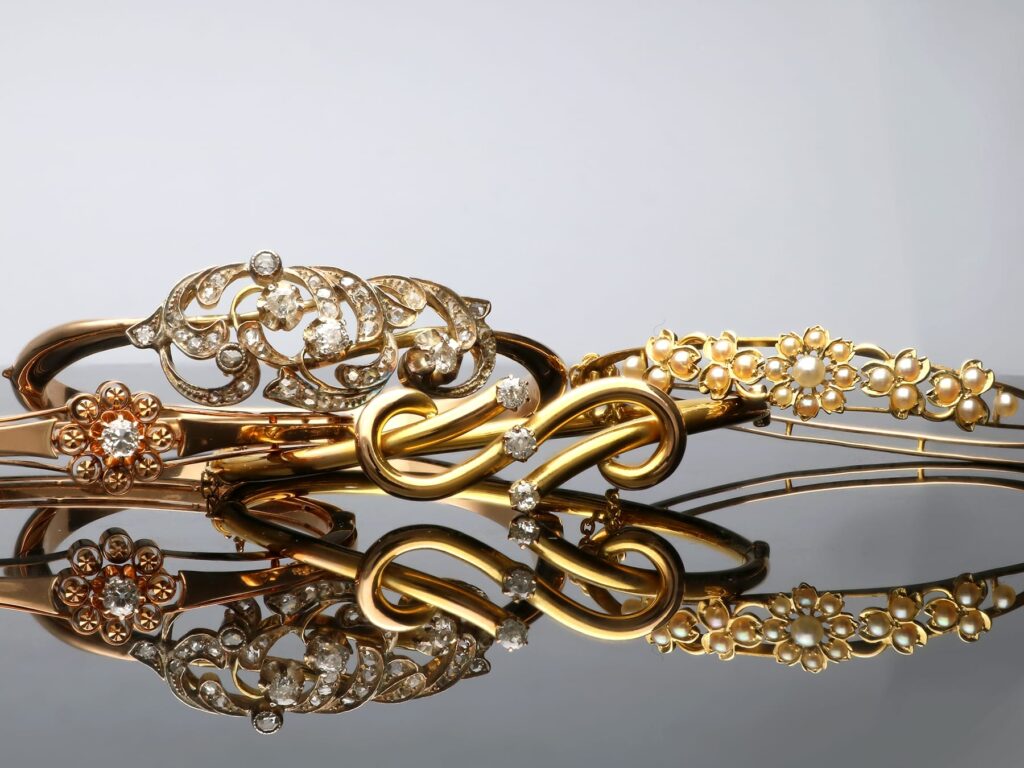
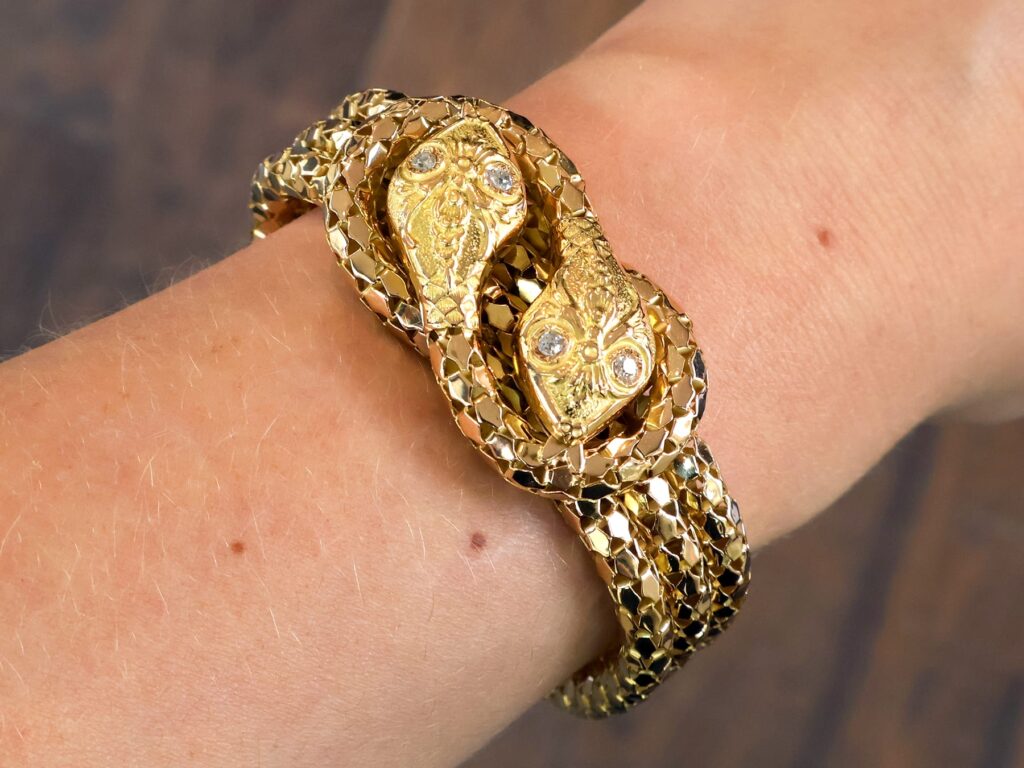
Victorian bracelets are typically known for their luxurious yellow gold hues and elaborate designs.
The styles often feature engraved patterns, meaningful symbols, and personal touches, showcasing the romantic spirit of the time.
These items usually have a significant feel, both in terms of weight and visual impact.
Edwardian Gold Bracelets (1901–1910)
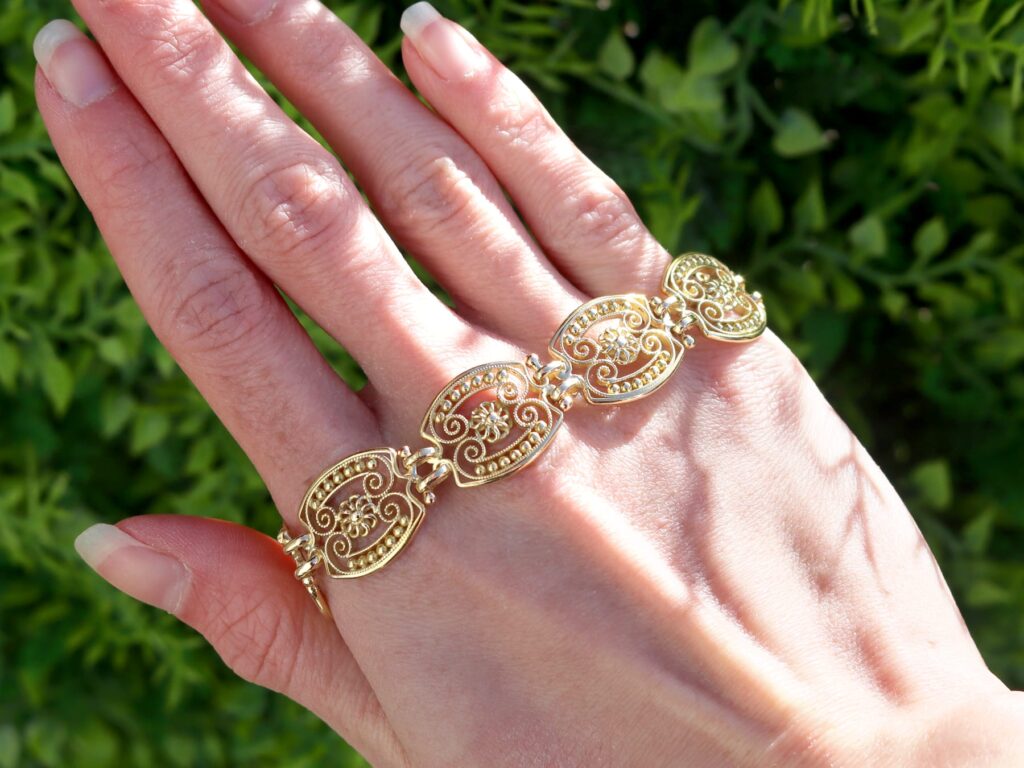
Edwardian jewellery is characterised by its elegance and refinement.
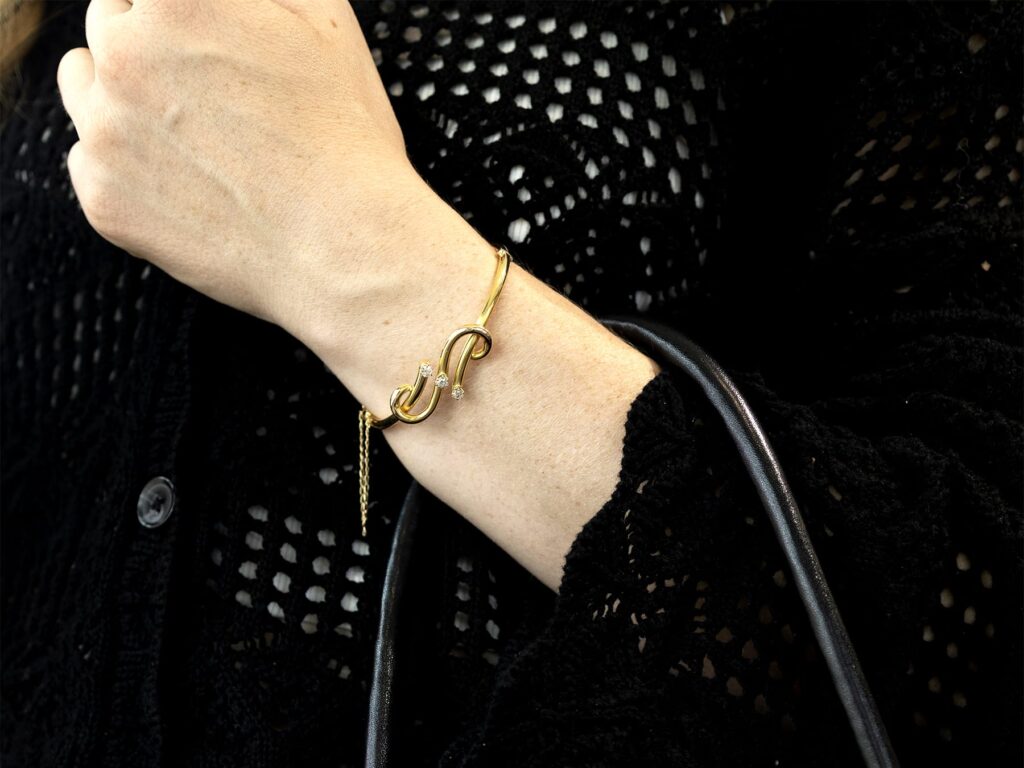
Gold bracelets from this era often have a more delicate look, showcasing exquisite craftsmanship and graceful, flowing designs.
The focus is on lightness and sophistication, which makes these pieces especially easy to wear.
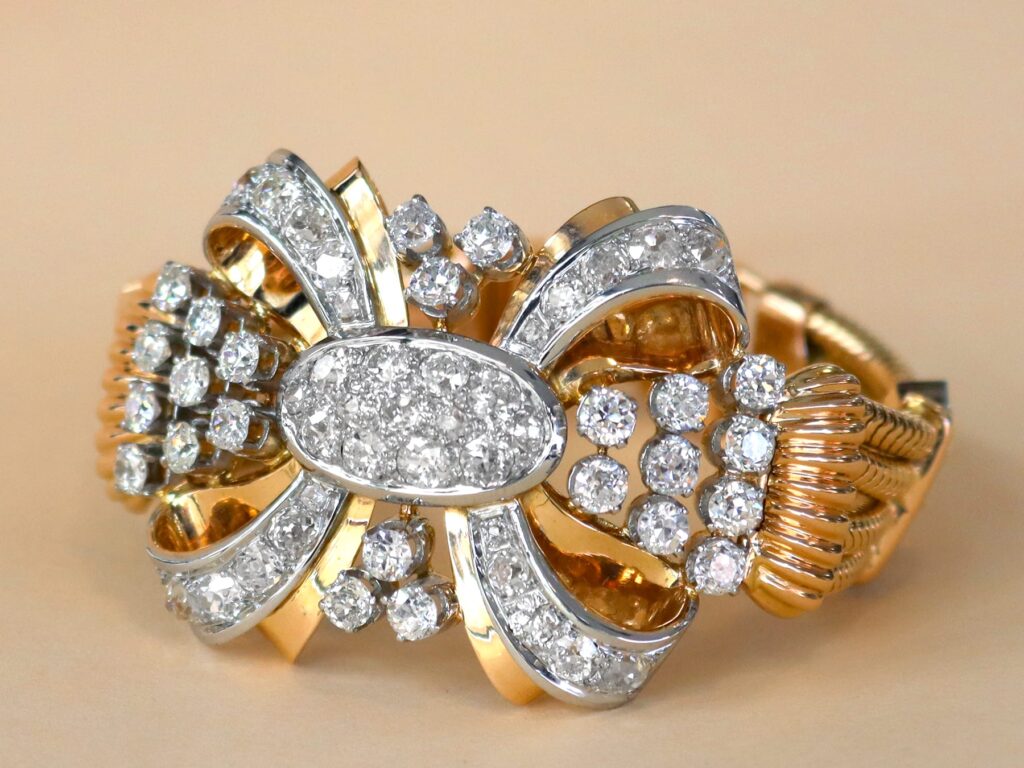
Art Deco Gold Bracelets (1908–1935)
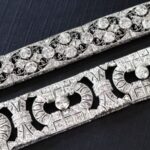
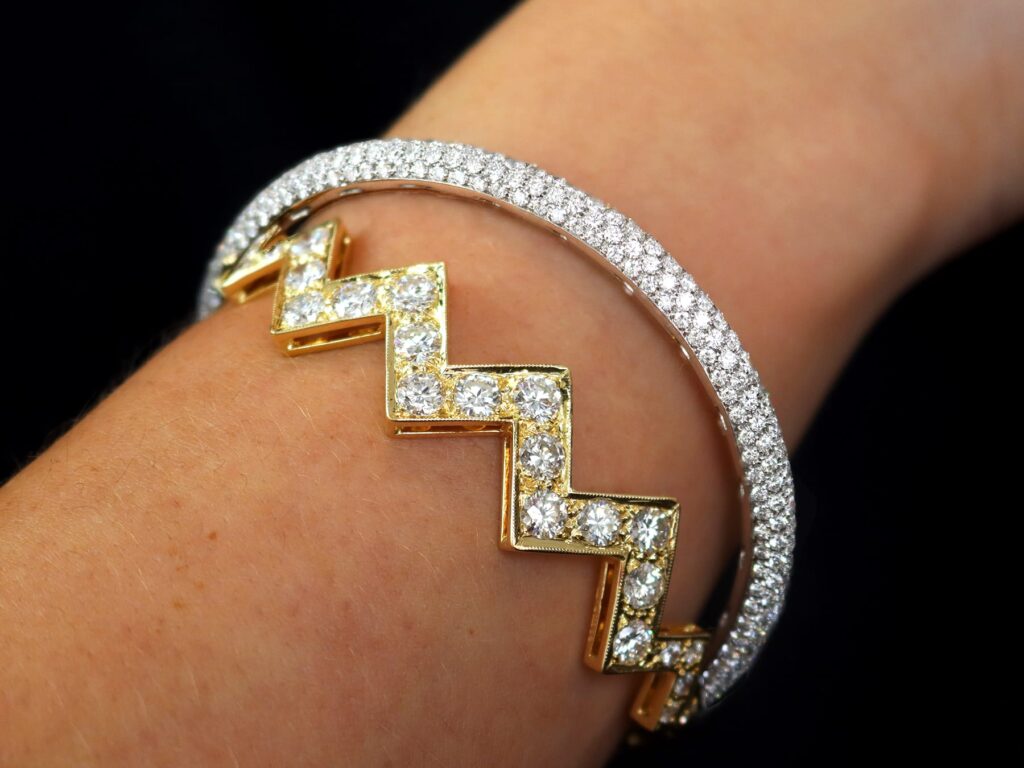
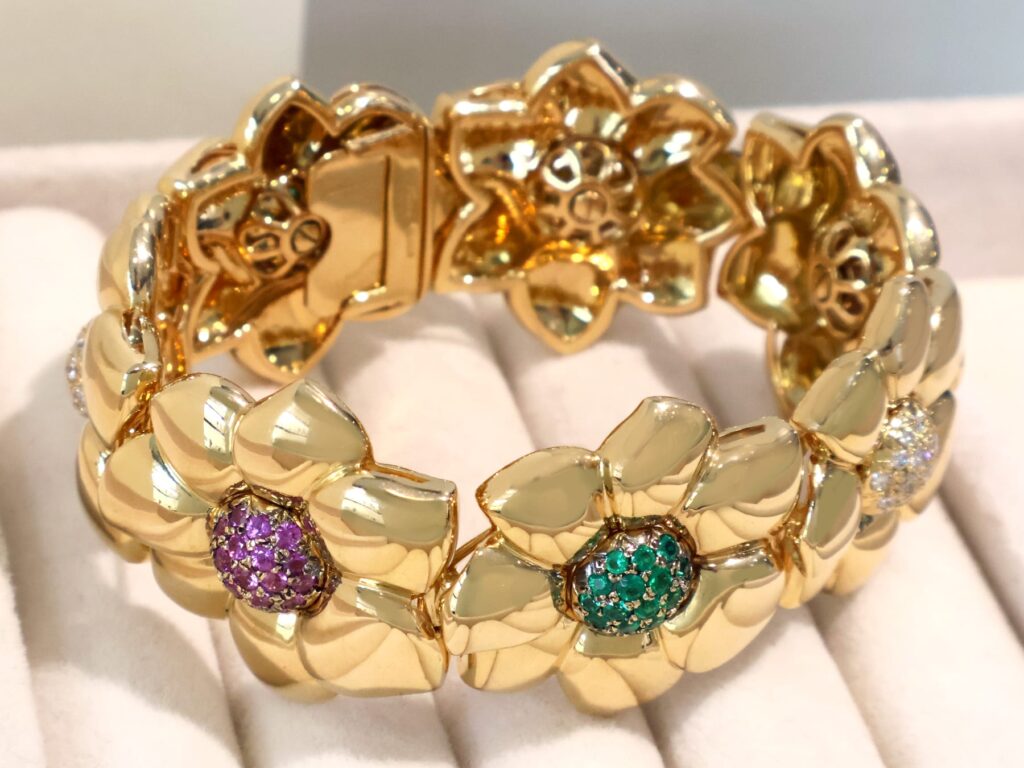
Art Deco bracelets showcase a significant move towards modernity. The era is characterised by bold geometric shapes, symmetry, and strong visual contrasts. Gold is frequently paired with various materials, creating eye-catching, architectural designs that are still in high demand today.
Types of Antique Gold Bracelets
Antique gold bracelets are available in a variety of styles, each offering its own distinct character:
- Gold Bangles – Rigid and often engraved, offering a classic and enduring aesthetic
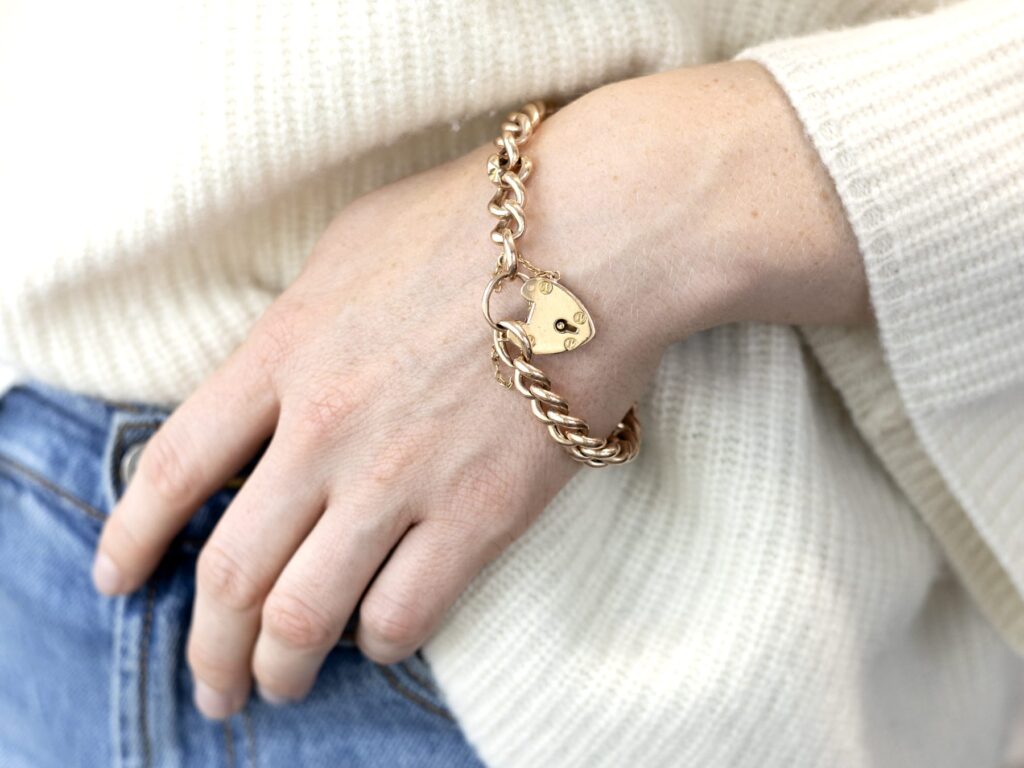
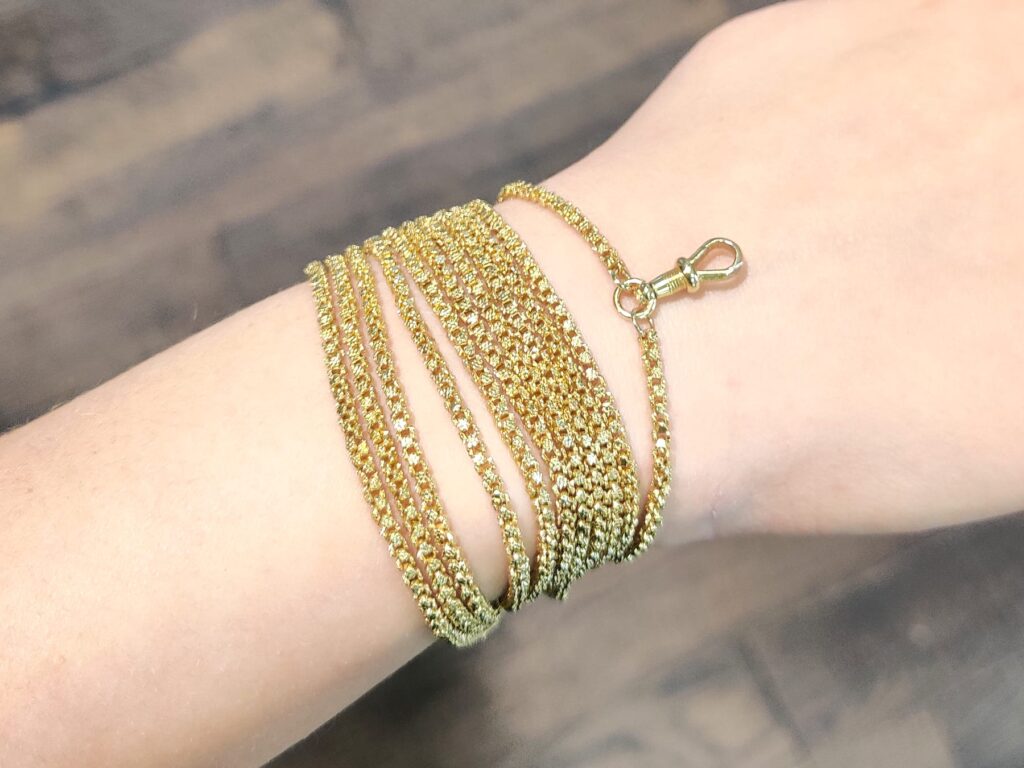
- Chain Bracelets – Flexible designs with intricate links, suitable for everyday wear
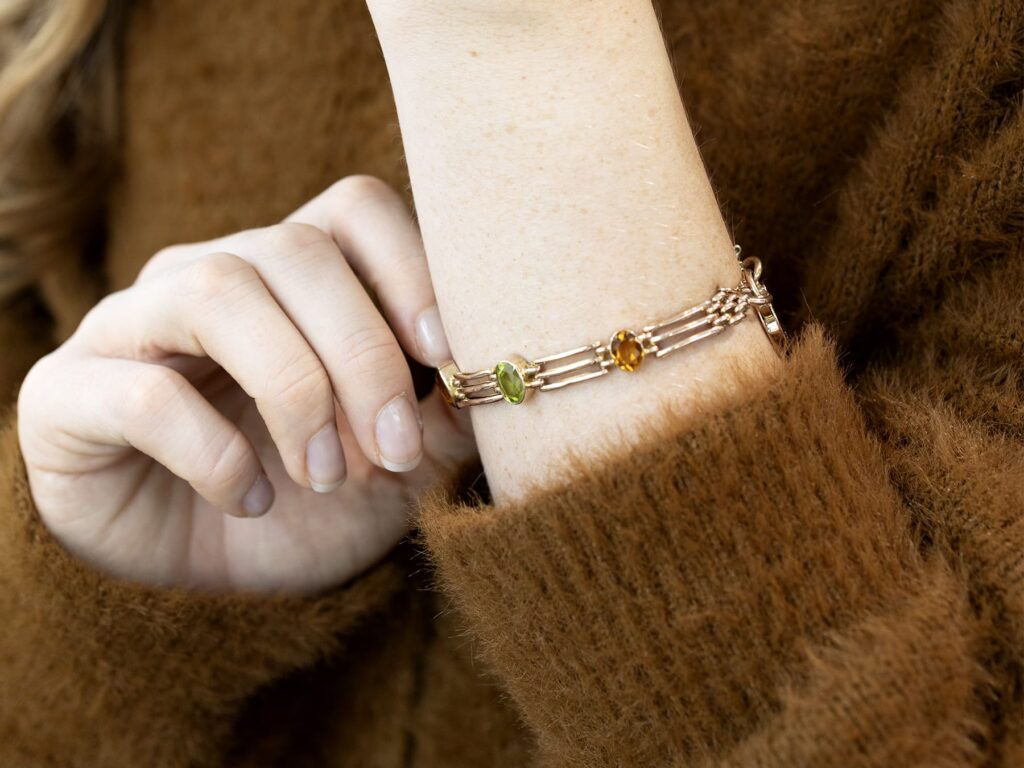
- Gate Bracelets – Recognised by their interlocking link structure, particularly popular in the Victorian period
- Cuff Bracelets – Bold and structured, making a more pronounced statement
Each type reflects both the design preferences and technical capabilities of its era.
How to Identify Authentic Antique Gold
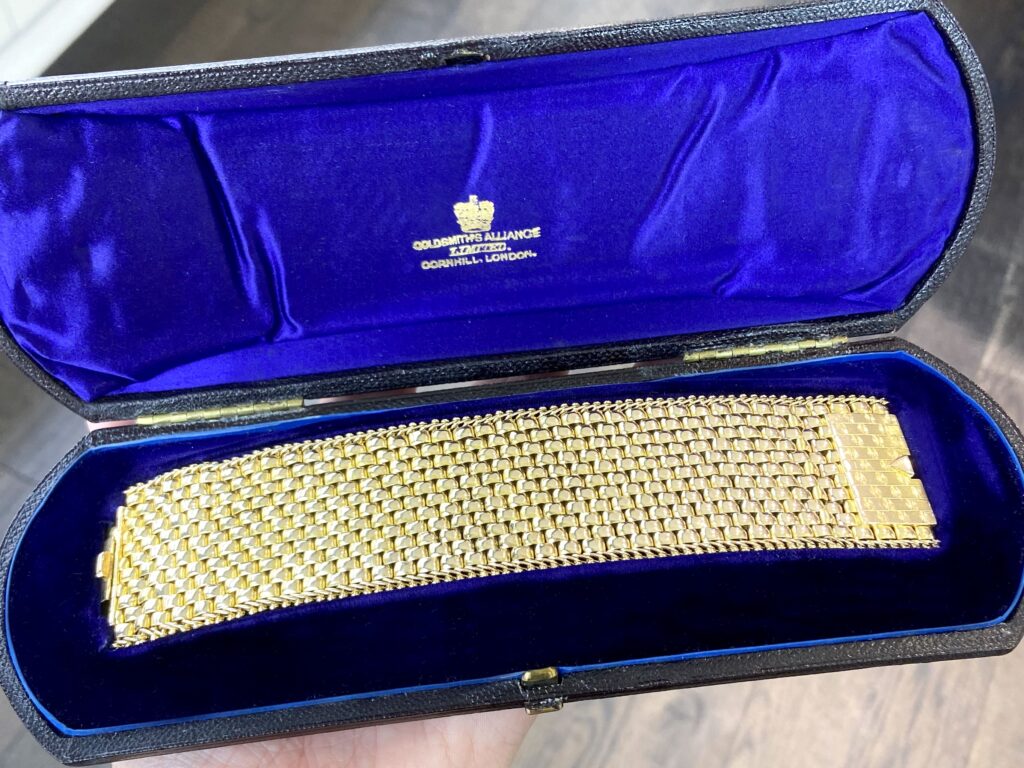
Authenticity is a fundamental consideration when acquiring antique jewellery. Many genuine antique gold bracelets bear hallmarks indicating metal purity, maker, and assay office, although these can vary depending on origin and age.
Additional indicators include:
- Evidence of hand craftsmanship
- Period-appropriate construction techniques
- Natural wear consistent with age
- A subtle patina developed over time
In instances where hallmarks are absent, professional testing is essential. Pieces can be accurately assessed using a Niton analyser to determine precise metal content.
Purchasing from a reputable specialist ensures that each bracelet has been carefully examined and accurately described.
What to Look for When Buying
Getting an antique gold bracelet is a decision that combines personal sentiment with careful thought. Beyond just what looks good, there are many crucial aspects that influence the quality, authenticity, and long-term value of the bracelet.
Condition
It’s normal for antique jewellery to show signs of aging; subtle surface wear and a gentle finish can add to a piece’s charm and authenticity.
Nonetheless, it’s crucial to evaluate the overall structural soundness. Special care should be taken with clasps, hinges, and links, making sure they operate securely and exhibit no signs of weakness or repairs that could affect durability.
Well-maintained pieces are generally more sought after, although minor wear is usually anticipated and accepted given their age.
Gold Purity
Antique bracelets are typically made from 9ct, 15ct, or 18ct gold, each with its own unique characteristics.
Grasping the concept of gold purity not only aids in assessing value but also assists in deciding whether the piece is appropriate for daily wear or special occasions.
Craftsmanship
One of the standout features of antique jewellery is the high quality of its craftsmanship. The hand-finished details, exact construction, and carefully thought-out design elements are all signs of a top-notch piece. Close observation of the engraving, link formation, and overall finish can reveal the level of expertise that went into its creation. Items from notable periods often display techniques that are not commonly used today.
Authenticity & Hallmarks
When available, hallmarks offer important insights into the purity, origin, and creator of the metal. However, it’s crucial to understand that not every antique item has distinct hallmarks, as they may have faded over time or due to the techniques used in their production. In these instances, professional testing methods, such as utilising a Niton analyser, are used to accurately determine the gold content. Buying from a trusted expert guarantees that the authenticity has been thoroughly verified.
Design & Period
Understanding the stylistic characteristics of different periods can help guide selection. Whether one is drawn to the richness of Victorian design, the refinement of Edwardian craftsmanship, or the bold geometry of Art Deco, choosing a piece aligned with personal taste enhances long-term enjoyment. Period-correct design also contributes to both desirability and value.
Wearability & Fit
Although antique bracelets are cherished for their historical significance, practical aspects are still crucial. It’s vital to ensure a comfortable fit, suitable weight, and secure closure, especially for items meant for everyday use. Some antique bracelets might be smaller than contemporary ones, so sizing is an important element to keep in mind.
Rarity & Provenance
The rarity of an item can greatly affect its desirability and worth. Unique designs, exceptional artistry, or recognizable makers can elevate a bracelet’s value beyond just decorative appeal. When available, provenance, or its documented history, adds further intrigue and distinction, enhancing the overall importance of the piece.
Investment Considerations
Even though many buyers are inspired by their aesthetic value, antique gold bracelets are often viewed as lasting assets.
The restricted supply, along with a constant demand for vintage jewellery, bolsters their long-term attractiveness.
High-quality pieces that are well-preserved and feature strong design are particularly well-suited to hold or grow in value over the years.
Why Choose Antique Over Modern Jewellery?
Antique gold bracelets offer a level of individuality and provenance that cannot be replicated through modern mass production. Each piece is inherently unique, shaped by the techniques and design influences of its time.
Beyond their aesthetic appeal, antique bracelets are valued for:
- Rarity – finite supply
- Craftsmanship – traditional hand-made quality
- Sustainability – no new materials required
- Enduring desirability – timeless design appeal
For those seeking jewellery with both character and substance, antique pieces present a compelling alternative to contemporary designs.
Antique gold bracelets illustrate a wonderful balance of history, artistry, and enduring style.
Whether you find yourself drawn to the richness of Victorian design, the elegance of Edwardian craftsmanship, or the daring beauty of Art Deco, each piece offers a special chance to claim a part of jewellery history.