An antique diamond bracelet is more than an elegant piece of jewellery; it is a reflection of the craftsmanship, design and history of a bygone era. From intricate Victorian settings to the geometric sophistication of Art Deco designs, genuine antique diamond bracelets possess distinctive characteristics that distinguish them from modern reproductions.
Whether you are considering purchasing an antique diamond bracelet or identifying a piece already in your collection, understanding its age, diamond cuts, metalwork and construction can help establish its authenticity.
What Qualifies as an Antique Diamond Bracelet?
A diamond bracelet crafted prior to 1940 are considered antique, encompassing the Georgian, Victorian, Edwardian, and Art Deco periods. Jewellery produced more recently may be described as vintage, while newly manufactured pieces inspired by historical designs are considered antique-style rather than genuinely antique.
An authentic antique diamond bracelet will often display design features, gemstone cuts and manufacturing techniques associated with its period of creation.
1. Examine the Diamond Cuts
One of the most useful ways to identify an antique diamond bracelet is to examine the diamonds themselves.
Before modern diamond-cutting technology became widespread, diamonds were shaped using techniques that produced distinctive proportions and facet arrangements.
Common antique diamond cuts include:
Rose-cut diamonds: Recognisable by their flat bases and domed, faceted surfaces, these diamonds were particularly popular in Georgian and Victorian jewellery.
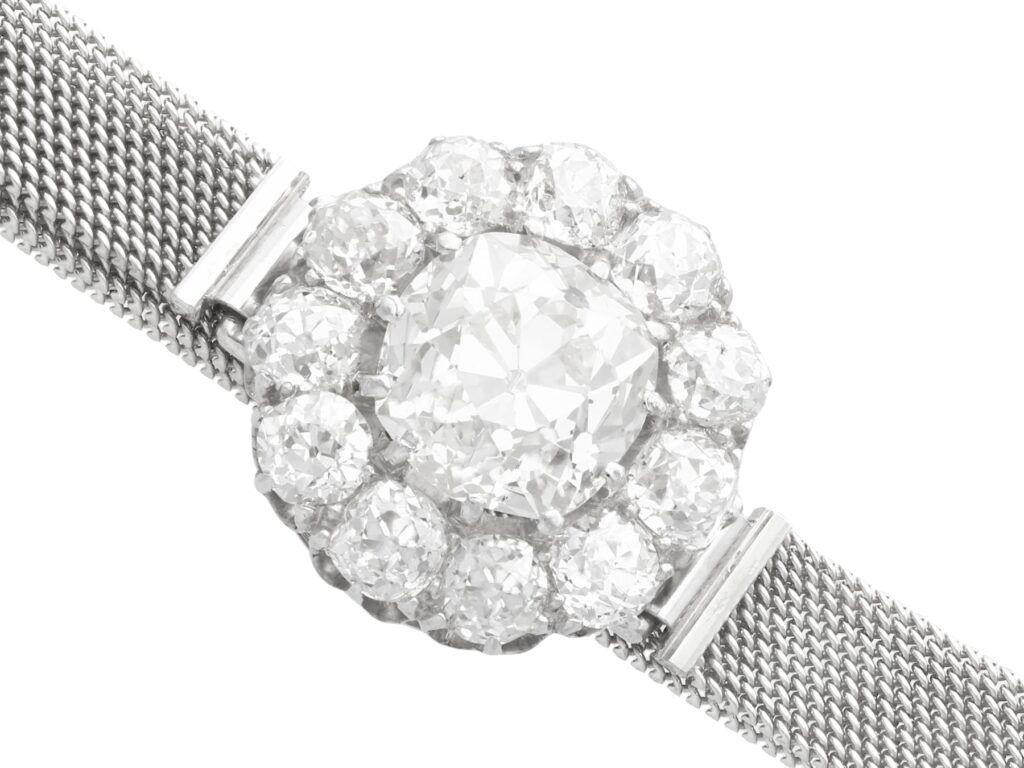
Old mine-cut diamonds: Typically featuring a cushion-shaped outline, high crown, small table and large culet, these stones are frequently encountered in 18th- and 19th-century jewellery.
Old European-cut diamonds: Characterised by a round outline, relatively high crown and often a visible culet, these diamonds became especially popular during the late Victorian, Edwardian and early Art Deco periods.
Eight-cut diamonds: Featuring a simplified facet arrangement, these stones were frequently used as smaller accent diamonds in early 20th-century jewellery.
Unlike modern brilliant-cut diamonds, antique cuts often produce a softer, more individual pattern of sparkle.
However, diamond cut alone cannot confirm a bracelet’s age, as antique diamonds are sometimes incorporated into contemporary settings.
2. Look for Period-Specific Design Features
The design of a diamond bracelet can provide valuable clues about when it was made.
Victorian diamond bracelets (1837–1901)
Victorian jewellery frequently features romantic motifs, floral decoration, scrollwork and elaborate gold settings. Diamond bracelets from this period may incorporate silver-topped gold construction, particularly where diamonds are set into decorative clusters.
Edwardian diamond bracelets (1901–1910)
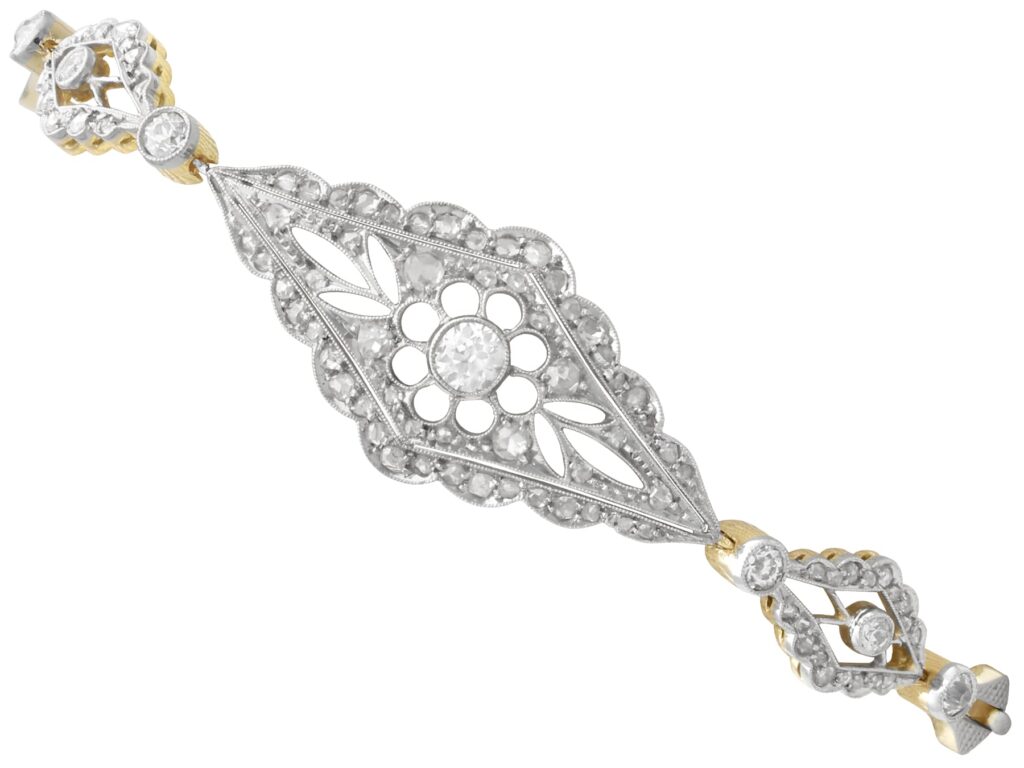
Edwardian diamond jewellery is celebrated for its delicate, intricate appearance. Platinum became increasingly important, allowing jewellers to create fine pierced settings, millegrain detailing, garlands and lace-like arrangements of diamonds.
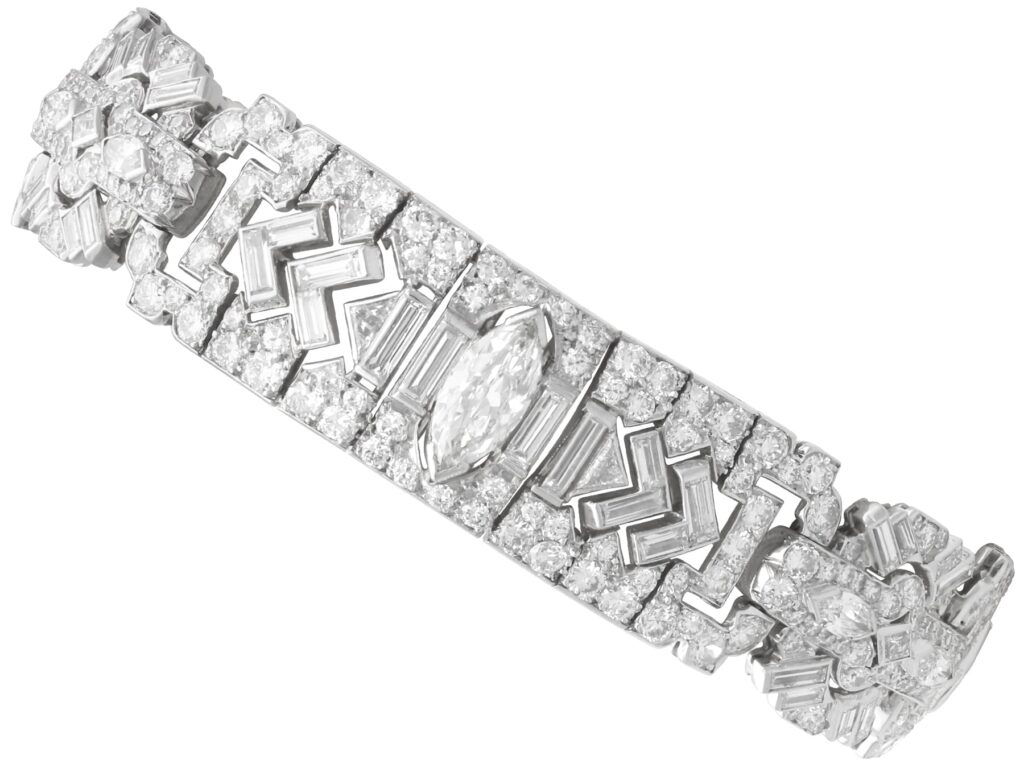
Art Deco diamond bracelets (1920s–1930s)
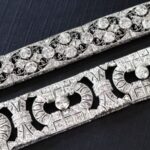
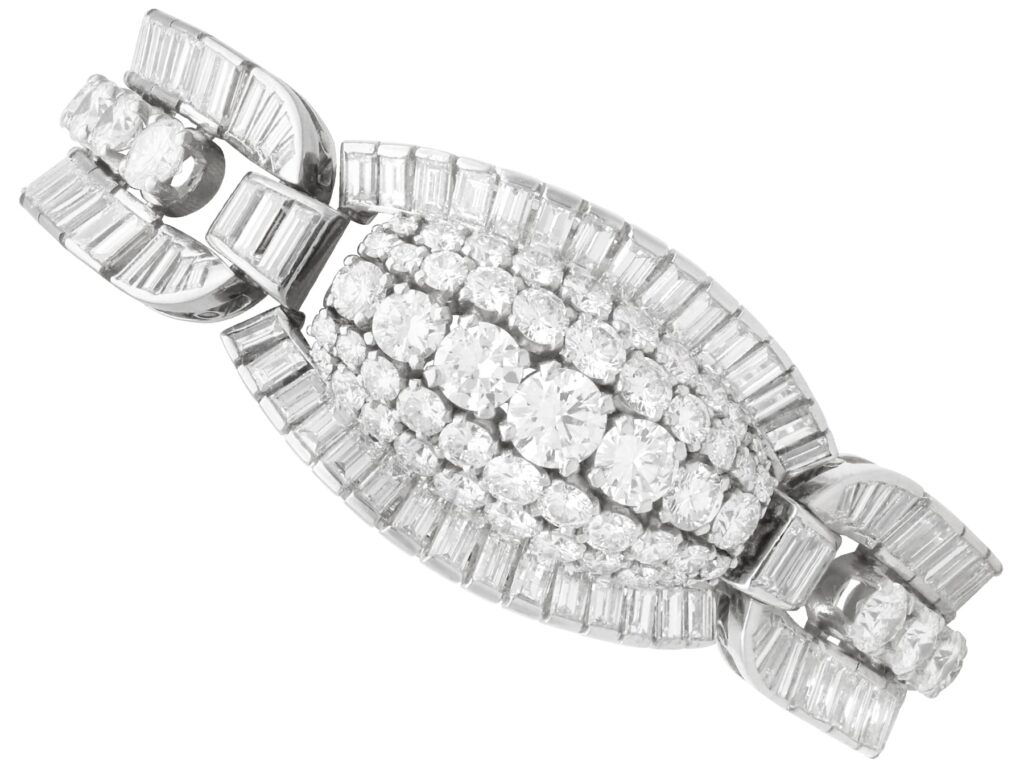
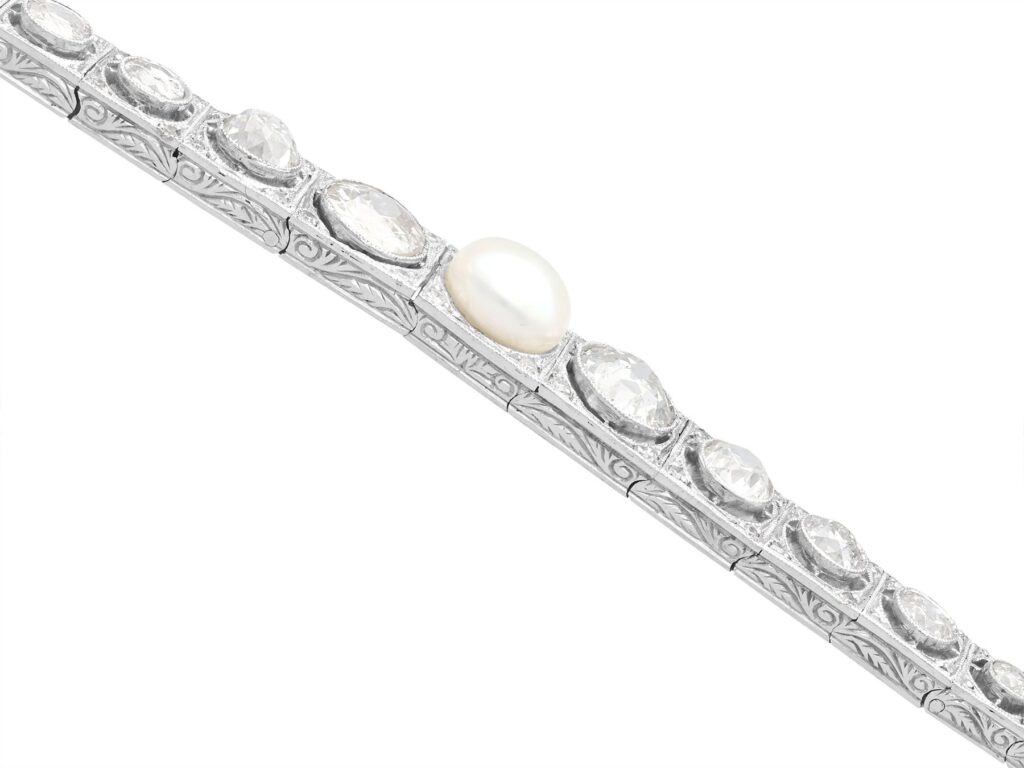
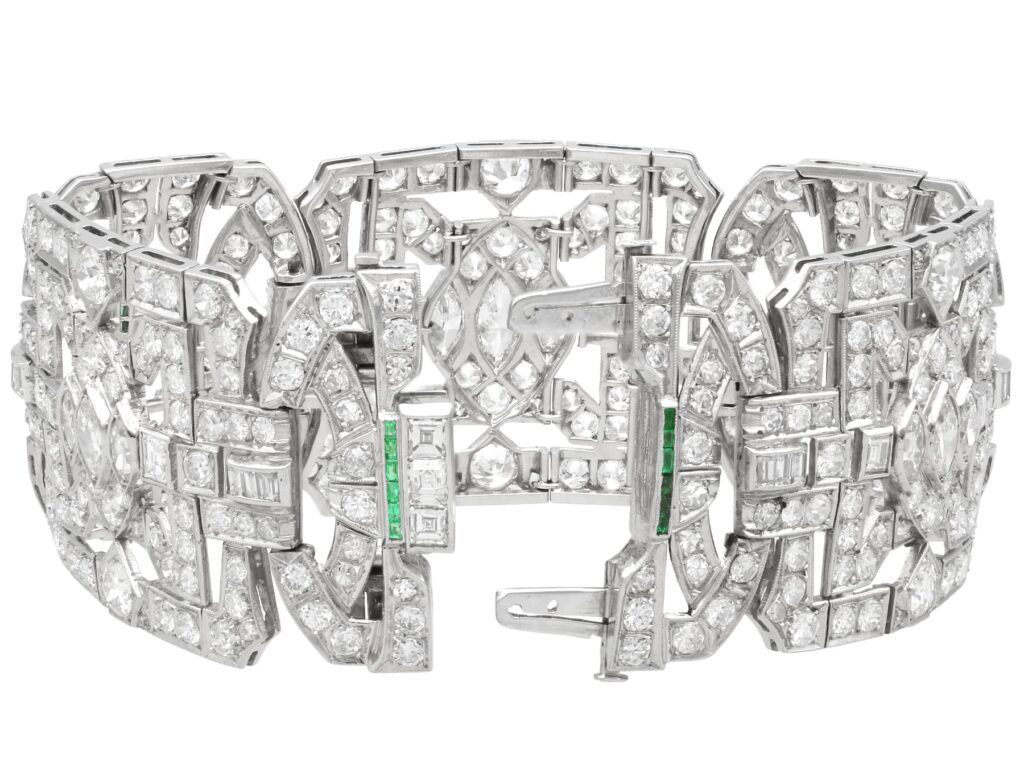
Art Deco jewellery is distinguished by bold geometry, symmetry and contrasting gemstone cuts. Authentic Art Deco diamond bracelets often feature platinum settings, articulated links, baguette-cut diamonds and striking architectural patterns.
Although these design characteristics are useful indicators, similar styles have been reproduced in later periods, making further examination essential.
3. It the Metal and Hallmarks
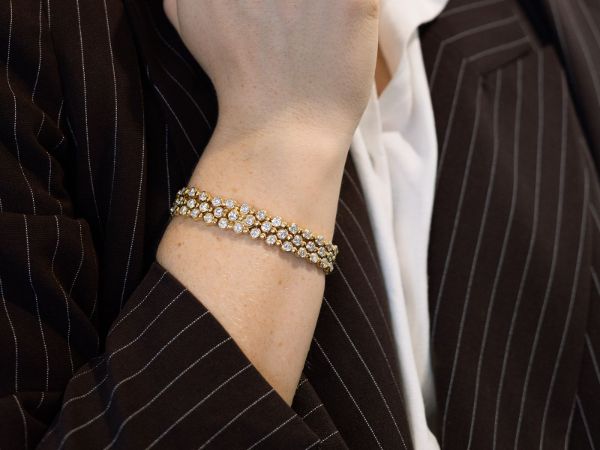
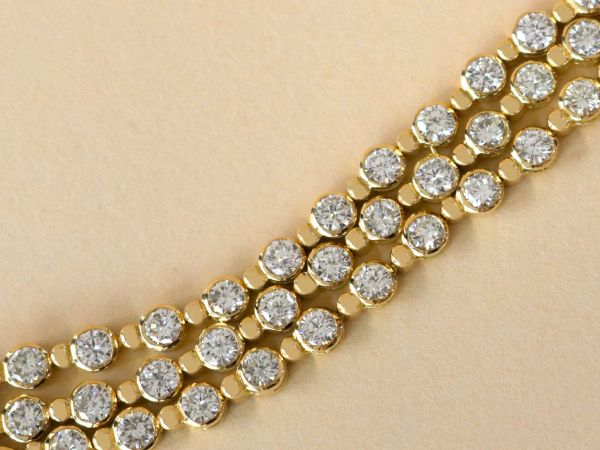
The metal used in an antique diamond bracelet can offer important information about its origin and approximate age.
Victorian examples may feature yellow gold combined with silver diamond settings, while platinum became particularly popular in fine jewellery during the early 20th century.
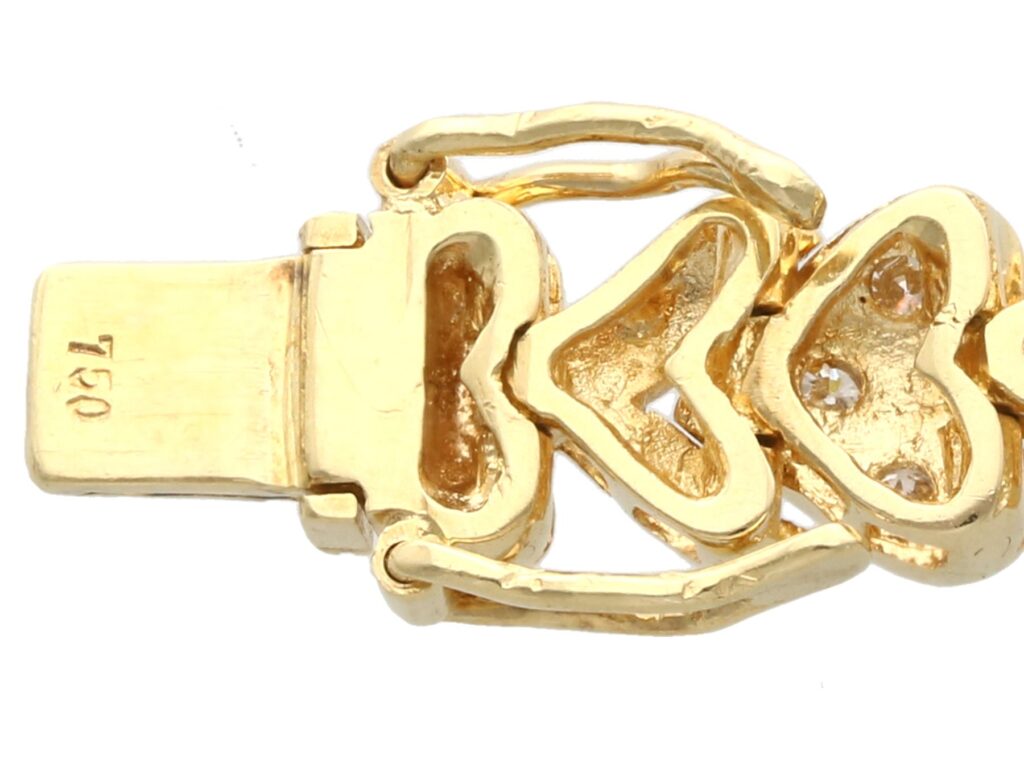
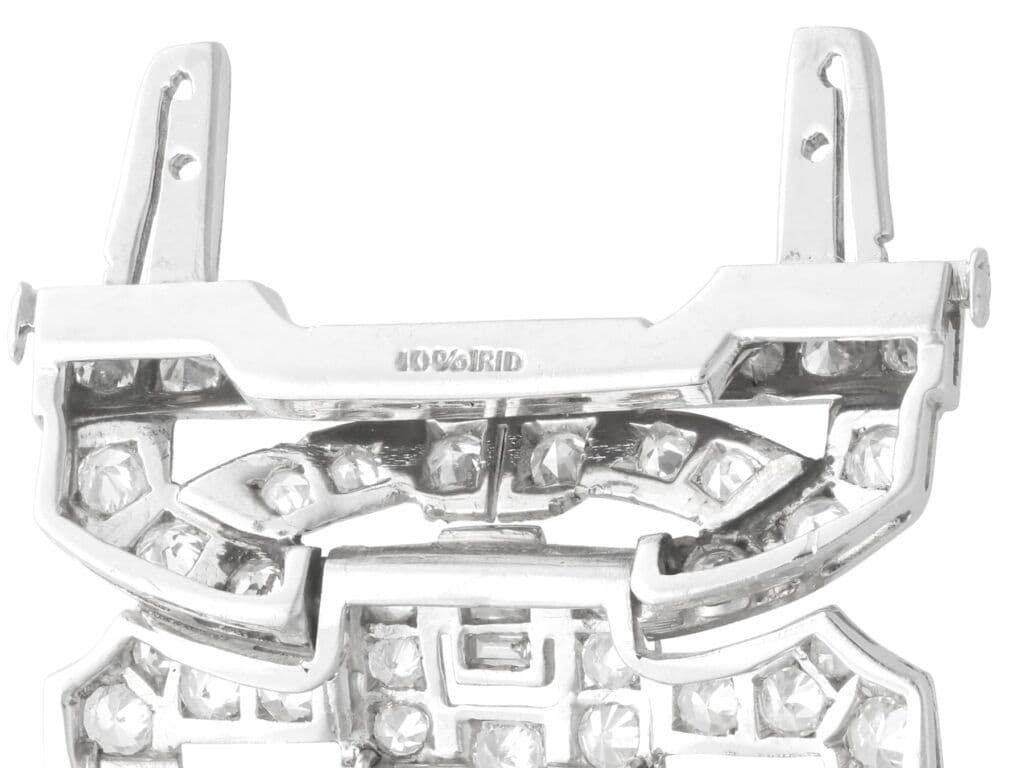
Look carefully for hallmarks, maker’s marks, assay marks and metal purity stamps. These can sometimes establish where a bracelet was manufactured and provide evidence of its date.
Not all genuine antique bracelets are hallmarked. Marks may have worn away, been removed during alterations or never been applied, depending on the country and period of manufacture.
Professional metal testing can help verify the precious metal content, although it cannot independently establish the age of the bracelet.
4. Examine the Craftsmanship and Construction
Authentic antique diamond bracelets frequently demonstrate skilled craftsmanship, particularly in their settings, links and decorative details.
Features worth examining include hand-finished metalwork, pierced decoration, millegrain borders and individually constructed gemstone settings.
The reverse of a bracelet can be particularly revealing. Older pieces may show construction methods and finishing details that differ from those used in modern mass-produced jewellery.
However, hand craftsmanship is not exclusive to antique jewellery. A high-quality modern reproduction may incorporate similar techniques, so construction should be considered alongside other evidence.
5. Check the Clasp and Fastening
The clasp can provide useful clues about the age and construction of an antique diamond bracelet.
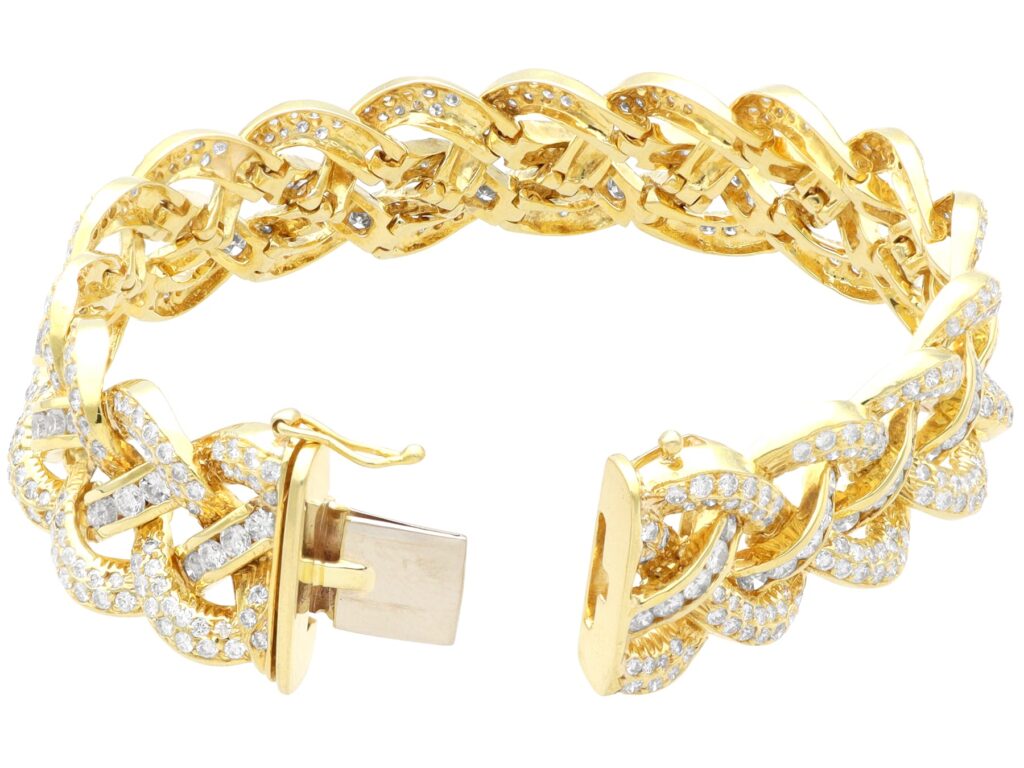
Depending on the period and design, antique bracelets may feature integrated box clasps, push-fit fastenings, safety chains or additional security catches.
Examine whether the clasp appears consistent with the bracelet’s overall construction and style.
Remember that fastenings are sometimes repaired or replaced over time. A modern clasp does not necessarily mean the entire bracelet is modern, but it may indicate that alterations have been made.
6. Assess the Condition and Signs of Age
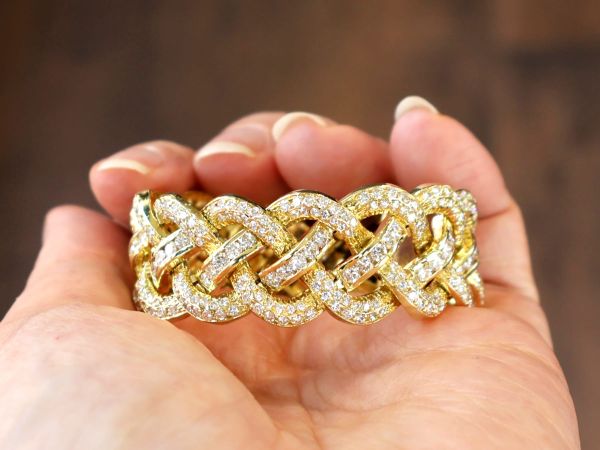
A genuine antique diamond bracelet may display subtle signs of age, including light surface wear, softened edges or evidence of historical repairs.
These characteristics can support an assessment of authenticity, but they should not be treated as definitive proof.
Equally, an antique bracelet in exceptional condition should not automatically be viewed with suspicion. Fine jewellery that has been carefully maintained or worn only occasionally can survive for generations with remarkably little wear.
When assessing condition, particular attention should be given to the security of the diamond settings, the movement of articulated links and the integrity of the clasp.
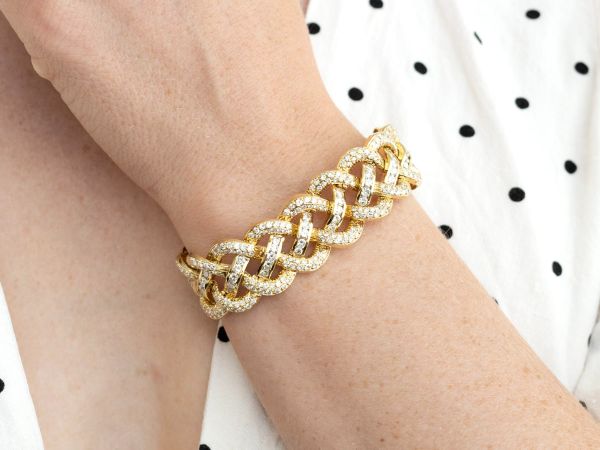
7. Look for Documentation and Professional Verification
When purchasing a valuable antique diamond bracelet, professional assessment and supporting documentation can provide additional reassurance.
Independent diamond grading reports may establish important gemstone characteristics, including carat weight, colour and clarity.
An experienced antique jewellery specialist can also examine the bracelet’s design, construction, hallmarks and historical characteristics to assess its likely age.
It is important to distinguish between diamond grading and authentication: a diamond grading report does not, by itself, prove that a bracelet is antique.
Why Choose an Authentic Antique Diamond Bracelet?
Antique diamond bracelets appeal to collectors and jewellery enthusiasts because they combine historic craftsmanship with enduring beauty.
Each period offers its own distinctive aesthetic, from the romantic decoration of Victorian jewellery to the delicate platinum designs of the Edwardian era and the striking geometry of Art Deco pieces.
Choosing an authentic antique bracelet also provides the opportunity to own a piece of jewellery with an established history rather than a contemporary interpretation of an older style.
With appropriate care, an antique diamond bracelet can continue to be enjoyed and passed down through generations.
Identifying a true antique diamond bracelet requires an understanding of historical jewellery design, diamond-cutting techniques, precious metals and traditional craftsmanship.
While individual features can offer valuable clues, no single characteristic can reliably establish authenticity. Examining the bracelet as a whole, ideally with the guidance of an experienced antique jewellery specialist, provides the strongest foundation for understanding its history and value.