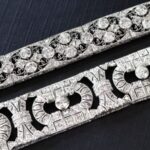

A tennis bracelet and a line bracelet are actually the same continuous-row style of gemstone bracelet. The terms simply reflect different eras and contexts. In fact, one vintage jewellery guide notes that the “diamond line bracelet”, popular since the 1920s, is “now often known as the ‘tennis bracelet’”. In modern retail, diamond tennis bracelets are commonly advertised, but collectors of vintage pieces usually call them line bracelets. Understanding the terminology helps enthusiasts and antique diamond bracelet collectors speak the right language for the piece they want.
What Is a Line Bracelet? (Historical Definition)
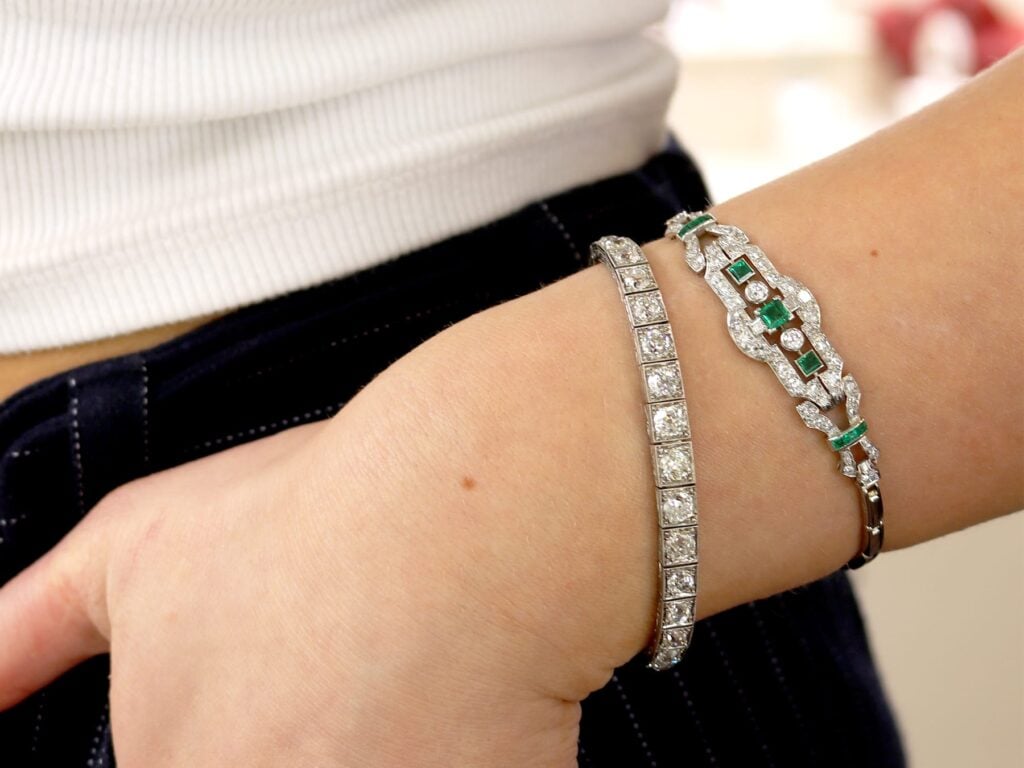
The line bracelet dates back to the early 20th century, especially flourishing in the Art Deco era (1920s–30s). Art Deco design was characterised by geometric patterns, vibrant colours, and an overarching sense of modernity, and the straight‐line bracelet epitomised that era’s aesthetic. These bracelets featured a single, linear row of gemstones, most often diamonds, set in linked boxes or channels. Platinum and white gold were common metal settings for these early line bracelets, though some used yellow gold or even filigree work. Gemstones included not only diamonds but also colourful stones. Bracelets with alternating emeralds, sapphires, rubies and diamonds were popular, reflecting the era’s love of rich colour. They often used precision cuts, from round brilliants to calibré or cushion-cut stones for a geometric look.
What Is a Tennis Bracelet? (Modern Definition)
The name tennis bracelet arose much later, in the late 1970s. During a 1978 U.S. Open match, tennis legend Chris Evert’s diamond bracelet snapped and fell off her wrist. When asked about it, she famously said, “Oh, that was my tennis bracelet”. Her off-hand comment instantly renamed the style for the general public, this remark renamed a classic flexible bracelet style that had been popular since the 1920s, named the line bracelet. In other words, the design of a tennis bracelet is identical to the historical line bracelet, it’s a flexible band with a continuous row of gemstones, but the name “tennis bracelet” stuck because of the publicity. Today, the jewellery industry often markets these pieces as diamond or gemstone tennis bracelets.
Why the Name Matters for Antique Buyers
For antique jewellery collectors, calling an old piece a line bracelet is generally more accurate. Dealers and auction catalogues use “line bracelet” to describe pre-1980s examples, reserving “tennis bracelet” for modern items. This helps buyers set expectations: an antique diamond bracelet that’s truly from the early 1900s should be called a line bracelet to emphasize its age. Collectors value that distinction as part of an item’s authenticity.
Design Differences by Era
Antique (1900–1930s)
These early line bracelets often used platinum or 18ct gold with geometric, Art Deco motifs. Stones were frequently calibré (square/rectangular) or vintage cushion/OEC cuts set in pavé or millegrain settings. They might alternate gems or feature bold symmetry.
Vintage (1940s–1970s)
Mid-century line bracelets became somewhat simpler and often used yellow or white gold settings. Diamonds were typically modern brilliant rounds, evenly matched in size. Designs might be less overtly geometric than Art Deco, often focusing on uniform sparkle. (Fashion trends of the 1960s–70s emphasised more casual elegance, so bracelets from this period tend to be delicate and wearable). Many vintage bracelets from this era still feature a single gem type (most commonly diamonds), but you’ll also find bold coloured-gem examples, such as bracelets with alternating sapphires or rubies in a uniform style.
Modern (1980s–Today)
Contemporary tennis bracelets generally use fully faceted round brilliant diamonds (or other gems) in a continuously linked, very flexible chain. They are often mass-produced or custom-made by jewellers to precise specs. While classic diamond-only versions remain extremely popular, today’s tennis bracelets come in many flavours.
Buying Considerations
When choosing between eras and styles, think about your preferences and lifestyle. An antique line bracelet appeals to collectors who value history and unique craftsmanship, while a modern diamond tennis bracelet offers a more uniform, contemporary look. Consider these factors:
Style and Era
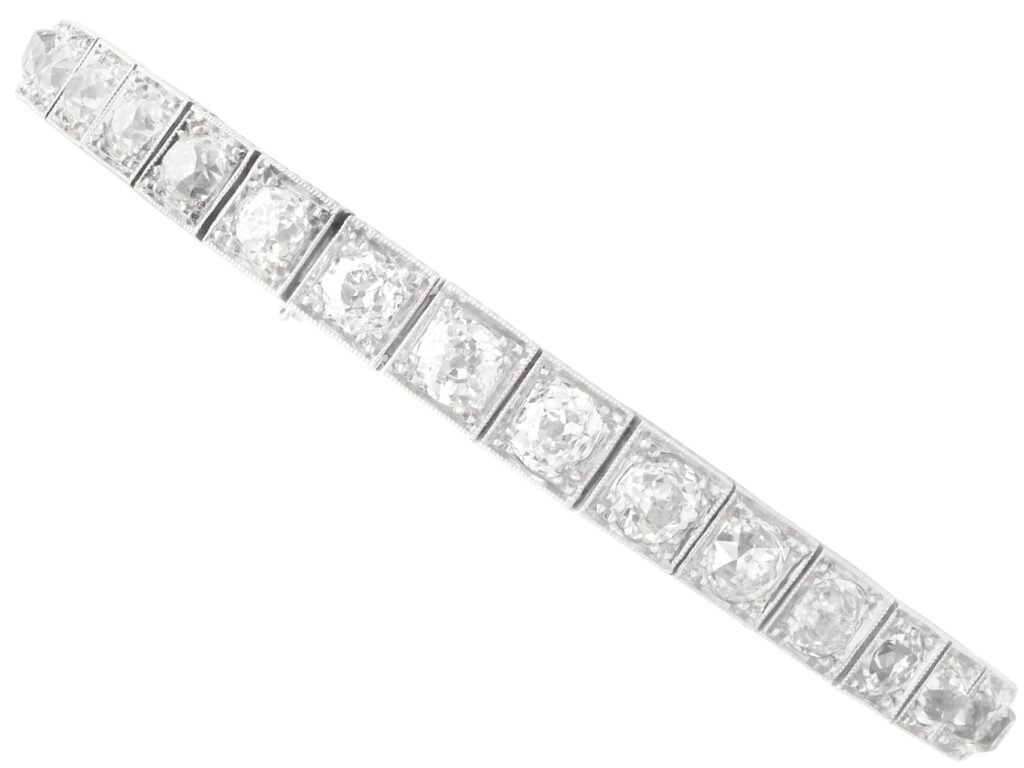
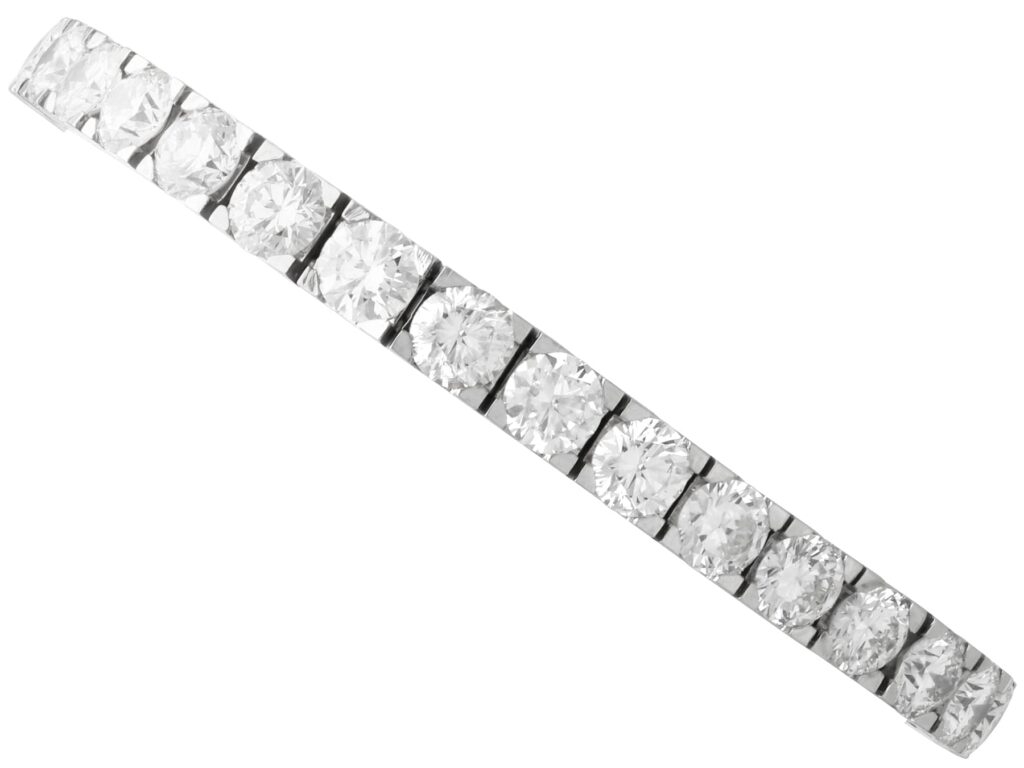
Are you drawn to the bold geometry of Art Deco or the sleek simplicity of 1970s designs? Antique pieces often have distinct period details, whereas modern bracelets can look more streamlined. For example, the Antique 7.85ct Diamond and 18ct White Gold Bracelet (below, left) is a classic Edwardian design with old-cut diamonds, while the Vintage 16.75ct Diamond Line Bracelet (below, right) is a later style with modern brilliant cuts.
Gemstone Choice
Classic tennis bracelets are known for diamonds, but coloured stones are also popular. If you want a splash of colour, look for sapphires, rubies or emerald versions. Remember, coloured gemstones can dramatically change the look and price.
Metal Type
Vintage and antique bracelets may be in platinum or 18ct gold (white or yellow). Platinum is strong and hypoallergenic; 18ct gold gives warmth (yellow) or a whiter shine (white gold). Choose what matches your taste.
Budget and Wear
Higher carat weight and antique rarity raise value. Antique bracelets (especially with large old cuts) are often priced as collectible items. Also, vintage pieces can be more delicate, prong and link wear matters. If you plan daily wear, ensure the bracelet is sturdy. A modern diamond bracelet with small, matched stones might be more comfortable for frequent use.
Antique examples
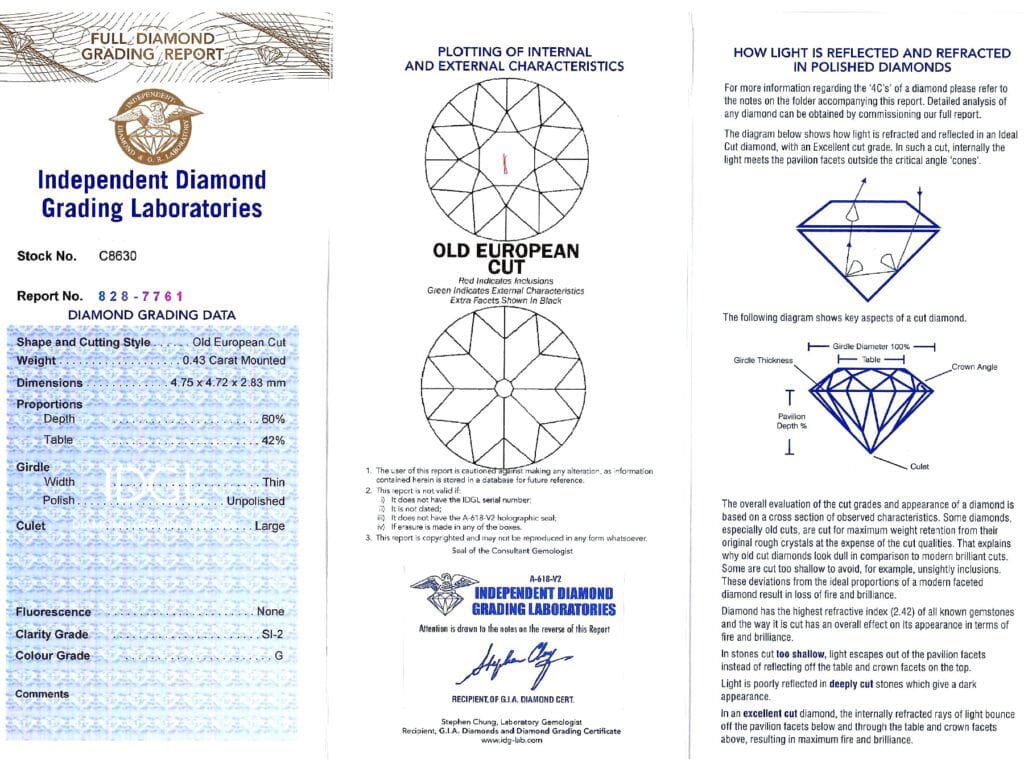
Many sellers highlight hallmarks and testing to assure buyers. Likewise, modern retailers often provide certification for diamond tennis bracelets. Always ask for gem reports or certificates on the major stones if authenticity is important.
In summary, the choice comes down to style and quality: choose an antique diamond bracelet for historical character or a new diamond tennis bracelet for a crisp, contemporary look.
Quality Markers
Whether antique or modern, a real line/tennis bracelet should exhibit fine craftsmanship:
Gemstone Quality
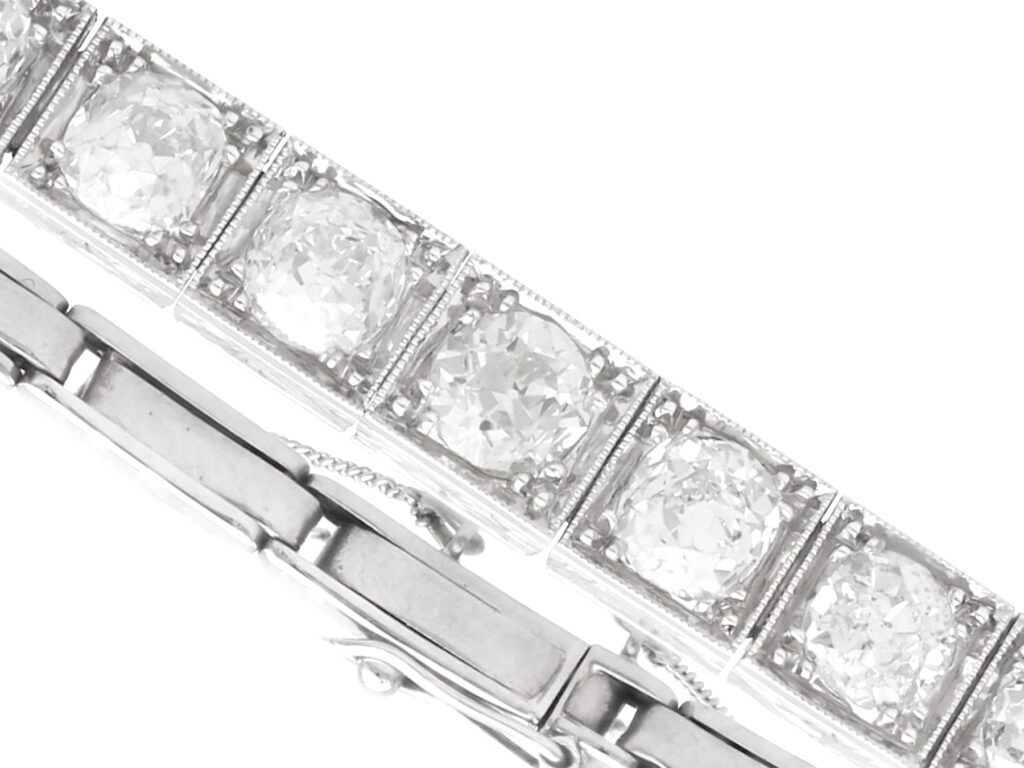
Check that stones are well-matched in colour and clarity. For diamonds, certification is a big plus. A C Silver’s high-end offerings come with grading reports, ensuring you know each stone’s quality.
Setting and Clasp
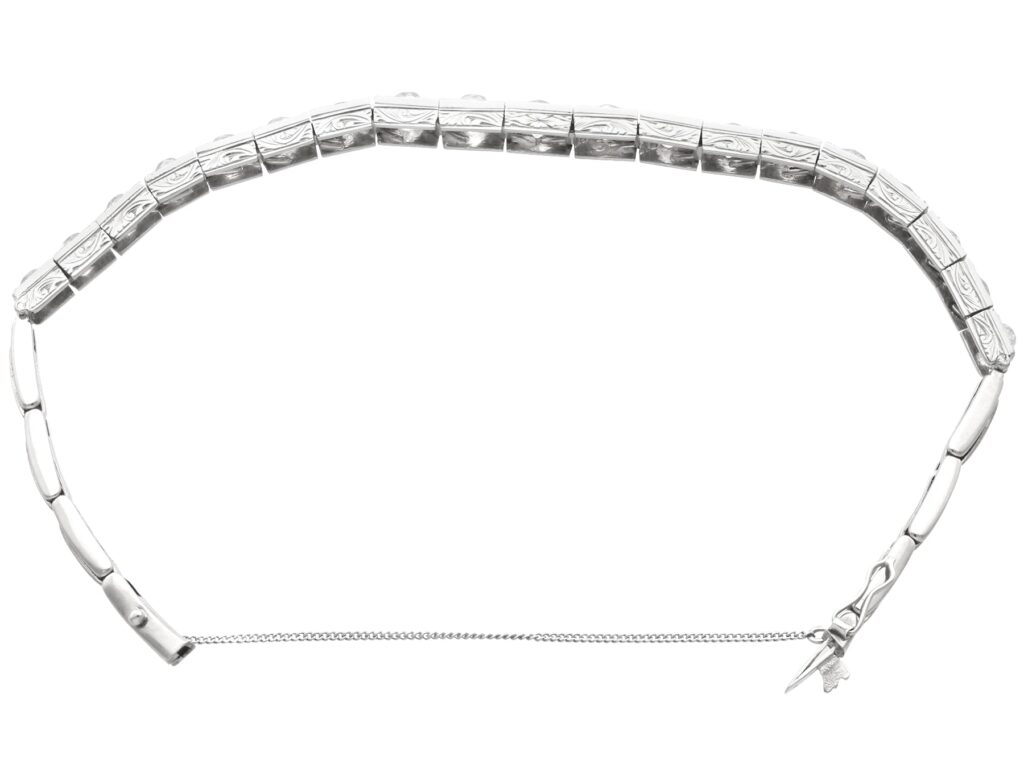
Examine the prongs or bezels holding the stones. They should be tight and even. The clasp must be secure (many have a hidden push-fit clasp plus a safety latch). A safety chain is a bonus.
Flexibility and Hallmarks
True line bracelets flex smoothly at the links. Feel how each segment moves. Also look for metal hallmarks. Genuine antiques will have assay marks (for example, French platinum marks or British hallmarks) on the clasp or strap, these authenticate metal content.
Metal Purity
Have the piece tested if uncertain. Modern specialists use XRF analysers (like Niton devices) to confirm platinum vs gold content. A credible dealer such as AC Silver will do this before sale.
Certification
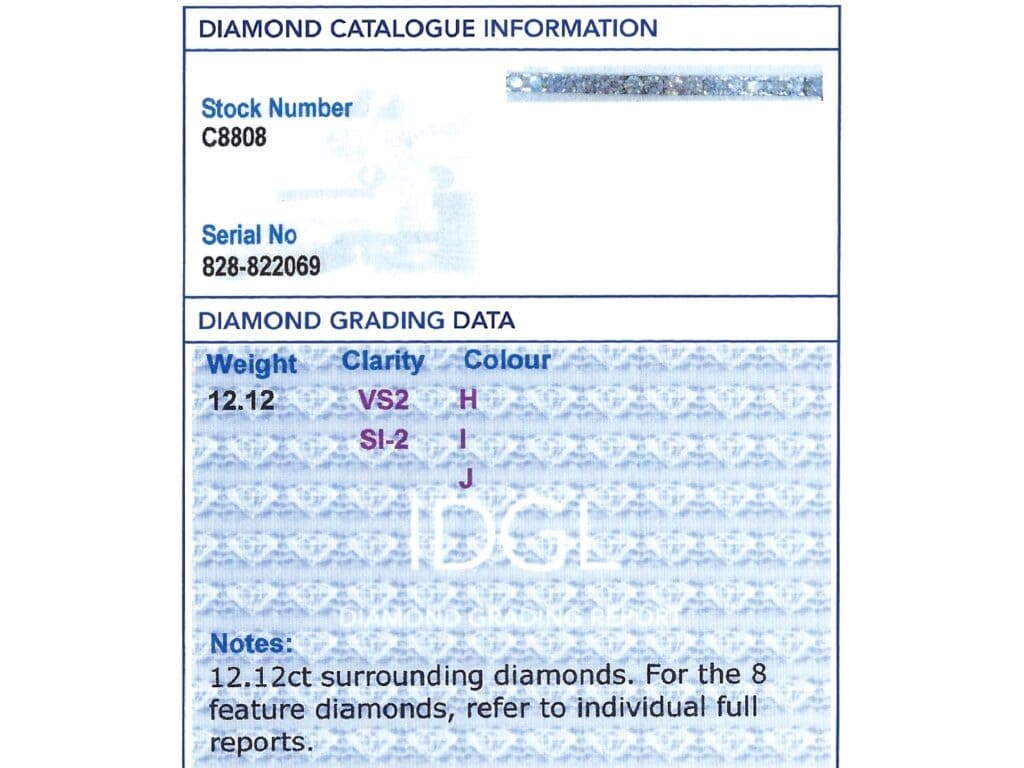
Finally, insist on paperwork for any high-value diamond tennis bracelet. A gemmological report or grading card proves the stones are genuine and graded. As noted, AC Silver includes independent certificates with many bracelets. Certified diamonds give confidence in your purchase.
In conclusion, tennis bracelets and line bracelets are simply two names for the same continuous-row design. The difference is historical: “line bracelet” is the traditional term for vintage pieces, while “tennis bracelet” is the modern nickname. Both can feature diamonds or coloured stones, and both should be chosen based on era style, gemstone preference, and quality. By checking craftsmanship, hallmarks, and certification, buyers can confidently select the perfect bracelet, whether it’s an antique diamond bracelet treasure or a sparkling new diamond tennis bracelet to match their taste and lifestyle.