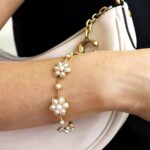
Victorian jewellery has a way of drawing people in almost instantly. There is usually something about it that feels different from the start. The craftsmanship is often richer, the symbolism more layered, and the overall character far more distinctive than many modern pieces. But if you are buying antique jewellery, especially online, one question naturally matters more than most: how do you know if a piece is genuinely Victorian?
That is where a little knowledge goes a long way. Authentic Victorian jewellery is not just about age. It is about materials, construction, design details, wear patterns, and whether the piece makes sense in the context of the period. Once you know what to look for, it becomes much easier to shop with confidence. At AC Silver, this kind of trust and expertise is a huge part of what makes collecting antique jewellery feel exciting rather than intimidating.
Start With the Dates
Victorian jewellery refers to pieces made during Queen Victoria’s reign, from 1837 to 1901. That means not every old-looking ring, brooch, or pendant qualifies as Victorian, even if it has a romantic or antique appearance. Dating a piece correctly is the first step, and this often depends on whether its design, materials, and methods of manufacture align with the period.
Victorian jewellery is usually divided into three phases: Early Victorian or Romantic, Mid Victorian or Grand, and Late Victorian or Aesthetic. Each has its own visual language. If a seller claims a piece is Victorian, the design should broadly fit within one of those styles rather than feeling completely out of step with the era.
Look Closely at Craftsmanship
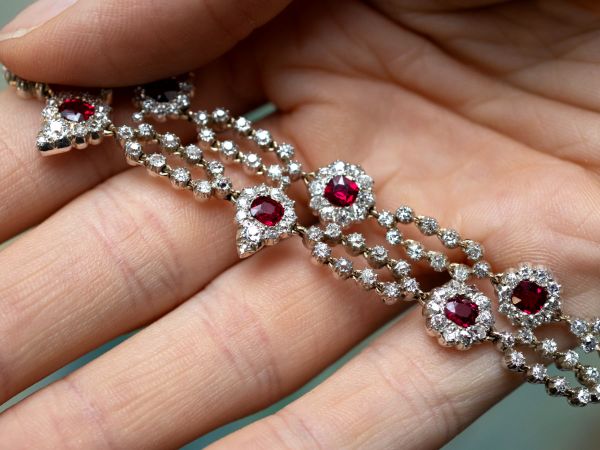
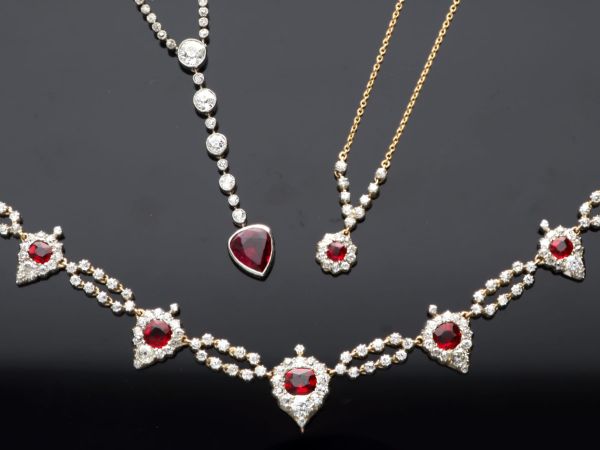
One of the clearest signs of authentic Victorian jewellery is the craftsmanship. Genuine pieces often show a level of hand-finishing that feels quite different from modern mass production. That does not mean every Victorian jewel is elaborate, but it usually does mean the piece has individuality.
You may notice fine engraving, carefully set stones, detailed metalwork, or subtle irregularities that suggest hand workmanship rather than factory-perfect uniformity. Antique jewellery often has a softness to it, not because it is poorly made, but because it was made in a different way. Tiny signs of hand assembly can actually be reassuring.
This is one of the biggest clues. Authentic Victorian jewellery tends to feel made, not manufactured.
Check the Materials
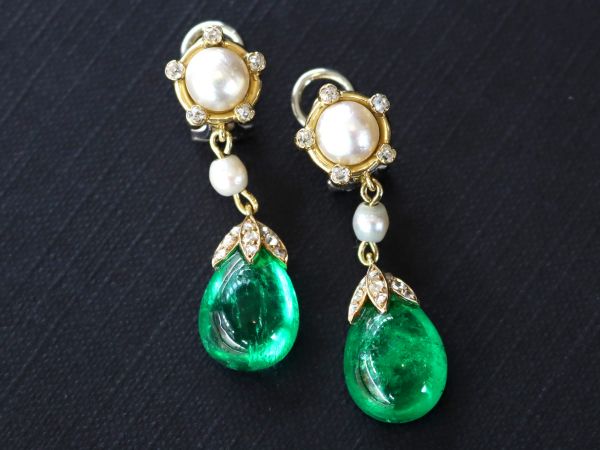
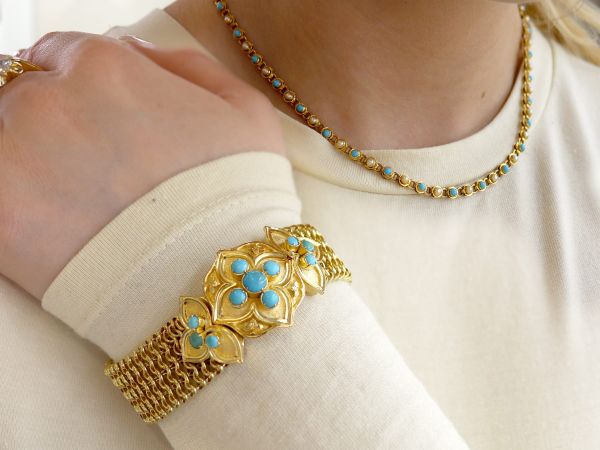
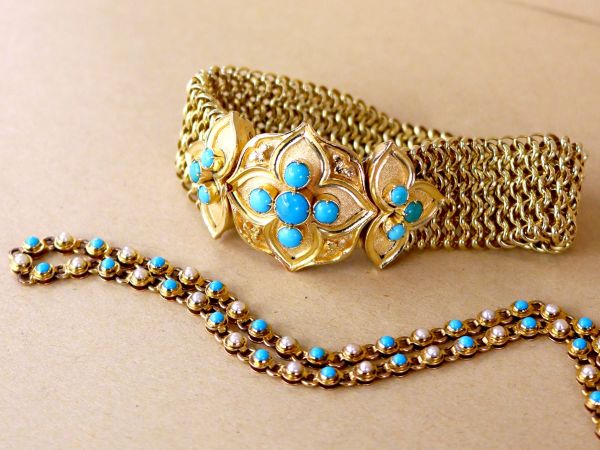
Victorian jewellers used a wide range of materials, and these can tell you a great deal. Yellow gold was especially common, though rose gold and occasionally lower carat gold alloys also appear. Jet, onyx, seed pearls, garnets, turquoise, banded agate, amethysts, and old-cut diamonds are all associated with the period, depending on the date and style of the piece.
Materials should make sense together. A supposed Victorian jewel set with very modern brilliant-cut stones, for example, may deserve closer scrutiny. Likewise, if a piece claims to be mourning jewellery but uses materials that do not fit the conventions of the era, that should raise questions.
The goal is not to memorise every gemstone trend. It is to ask whether the piece feels materially believable for the date attached to it.
Look at the Cut of the Stones
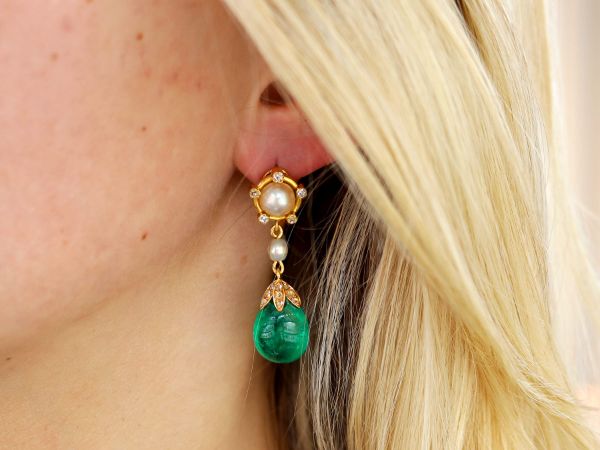
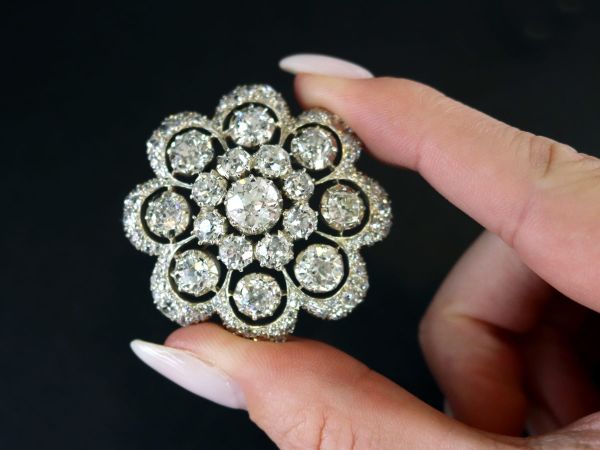
Gemstone cuts can be incredibly helpful when identifying antique jewellery. Victorian pieces often feature old mine cut or old European cut diamonds rather than the brighter, more standardised round brilliants seen in many modern jewels. Coloured gemstones may also show hand-cut characteristics, with slight irregularities that reflect earlier cutting techniques.
These cuts usually have a softer, more romantic sparkle. They do not perform in the same crisp, uniform way as modern stones, and that is often part of their charm. If everything about a piece looks too sharp, too bright, or too perfectly contemporary, it is worth taking a second look.
Study the Setting and Fastenings
The back of a piece can be just as revealing as the front. Brooch fittings, clasps, hinge construction, pin stems, and pendant loops often provide useful clues about age. Victorian jewellery tends to have fittings that reflect 19th-century manufacture, and these details can differ noticeably from later reproductions.
For example, a brooch may have a longer pin stem extending beyond the edge of the frame, or a clasp style associated with antique construction. These features are easy to overlook, but they matter. Reproduction pieces often imitate the front beautifully while the reverse gives the game away.
That is why antique specialists always look at the whole piece, not just the decorative side.
Expect Signs of Age, but Not Damage Everywhere
Authentic Victorian jewellery will often show wear, and that is completely normal. A little softness to the engraving, minor surface marks, or a natural patina can all support age rather than detract from it. In fact, a piece that looks absolutely untouched can sometimes seem less convincing than one with gentle evidence of a long life.
That said, age should not mean everything is broken, misshapen, or overly worn. Good antique jewellery can survive in excellent condition, especially if it has been carefully preserved. The key is whether the wear looks natural and consistent, rather than artificially distressed or strangely uneven.
Pay Attention to Symbolism and Design Logic
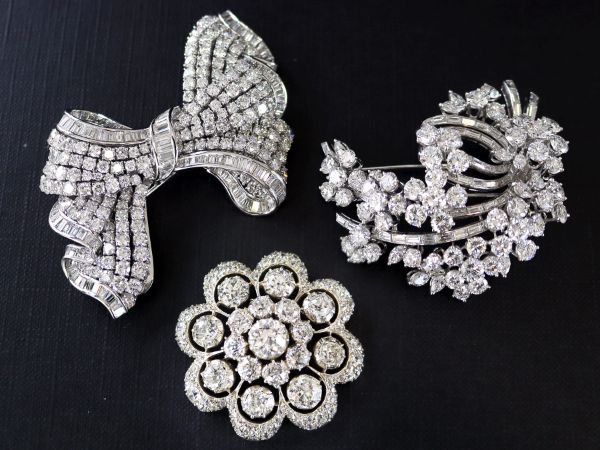
Victorian jewellery was full of symbolism, and authentic pieces often reflect the visual language of the time. Serpents, hearts, bows, flowers, stars, crescents, lockets, crosses, and mourning motifs all appear throughout the era. But these designs should still make sense within the broader style of the piece.
A genuine Victorian ring with a serpent motif will usually feel integrated, balanced, and true to period taste. A modern reproduction may borrow the symbol but miss the proportions, detailing, or emotional nuance that make the original style so distinctive.
This is where experience helps. The more genuine Victorian jewellery you look at, the easier it becomes to spot when something feels right.
Hallmarks Can Help, but They Are Not Everything
Hallmarks are useful, but they are not the whole story. Some authentic Victorian jewellery is hallmarked, while other pieces may be unmarked, partially worn, or altered over time. A hallmark can support authenticity, but it should never be the only reason to trust a piece from this era.
It is better to look at hallmarks alongside craftsmanship, materials, construction, and provenance. Antique jewellery identification works best when several details line up together rather than when one small feature is doing all the work.
Buy From a Trusted Antique Jewellery Specialist
This is probably the most important point of all. If you are not an expert yourself, buying from a reputable antique jeweller makes a huge difference. A trusted specialist will describe pieces accurately, assess condition properly, and provide confidence that the jewellery has been professionally evaluated.
That is exactly why provenance, expertise, and clear product information matter so much. Shopping with an established antique jeweller like AC Silver gives buyers a far stronger foundation than relying on vague descriptions or unverified listings. When you are investing in Victorian jewellery, trust is part of the purchase.
Why Authenticity Matters
Authentic Victorian jewellery is special because it offers something far beyond appearance. It carries real history, period craftsmanship, and a connection to the people and culture of the 19th century. That is what gives these pieces their depth, their romance, and their lasting appeal.
Learning how to identify genuine Victorian jewellery makes the buying process more rewarding because it helps you appreciate what you are looking at, not just what it costs. And once you start noticing the details, antique jewellery becomes even more addictive in the best possible way.
For anyone looking to shop with confidence, discover beautifully sourced period pieces, and explore antique jewellery with expert support, AC Silver is a brilliant place to start.
Victorian Jewellery
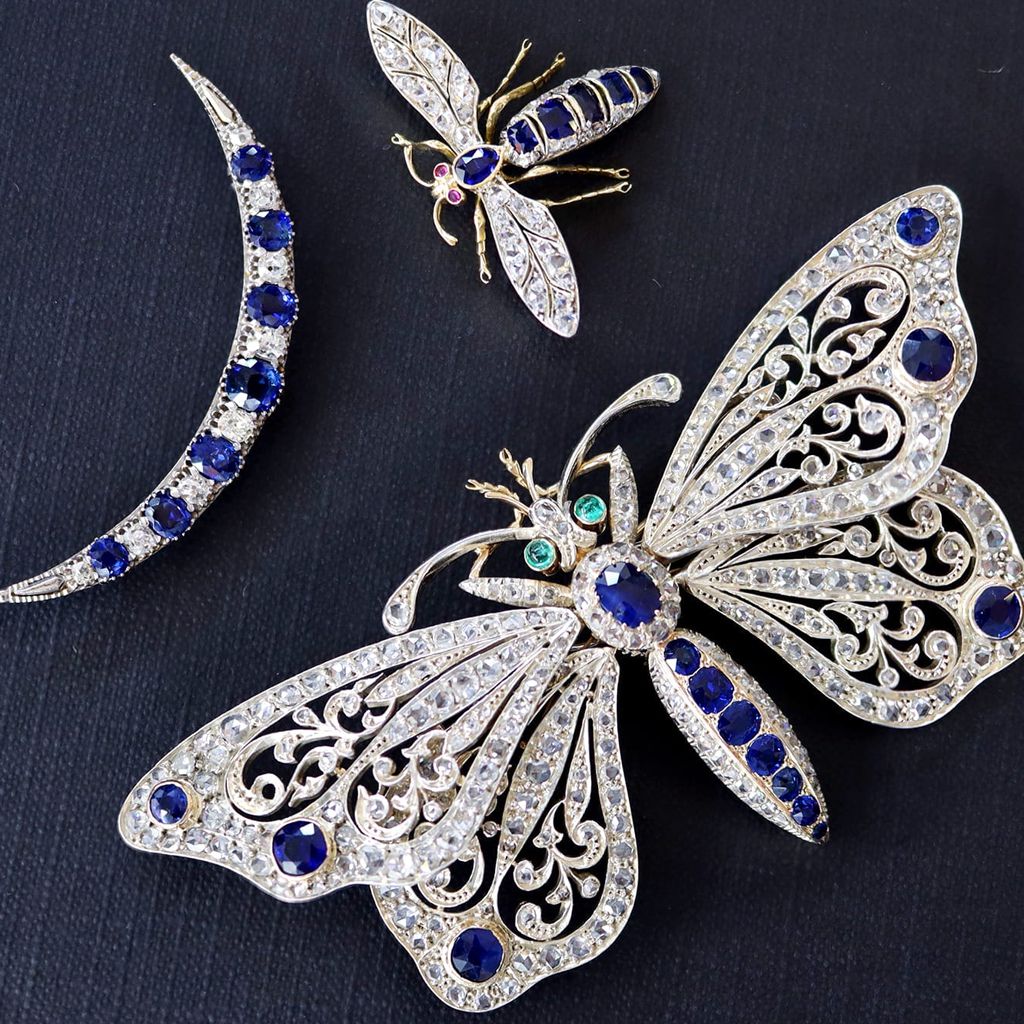
Victorian jewellery was characterised by gemstones that carried deep symbolic meanings. The selection of diamonds, sapphires, emeralds, garnets, and seed pearls was based not only on their beauty but also on their symbolism — representing love, mourning, protection, and devotion. Gold was the prevalent metal, often adorned with vibrant colors and intricate engravings, while techniques such as repoussé, cannetille, and enamel work enhanced the depth and texture of each design.