Victorian jewellery is beautiful at first glance, but the real intrigue begins when you realise how much of it was designed to say something. During the Victorian era, jewellery was not only decorative, but it was also emotional, coded, and often deeply personal. A ring could signal devotion, a brooch could represent grief, and a small floral detail might carry an entire message that only the wearer truly understood.
That is part of what makes Victorian jewellery so endlessly interesting today. Beyond the gold, gemstones, and intricate craftsmanship, these pieces are full of hidden meanings. Once you know what to look for, antique jewellery becomes much more than an accessory.
Why Symbolism Mattered So Much in Victorian Jewellery
The Victorian period was shaped by sentiment, ritual, and social codes. People placed enormous value on memory, romance, family, mourning, and morality, and jewellery became one of the most intimate ways to express those feelings. Not everything could be said openly, especially in matters of love, grief, and social expectation, so symbolism offered a subtle and elegant alternative.
Rather than spelling everything out, a Victorian piece might suggest loyalty through a serpent, innocence through pearls, or remembrance through black enamel. Jewellery became a wearable form of storytelling, which is exactly why it still feels so personal today.
The Meaning of the Serpent
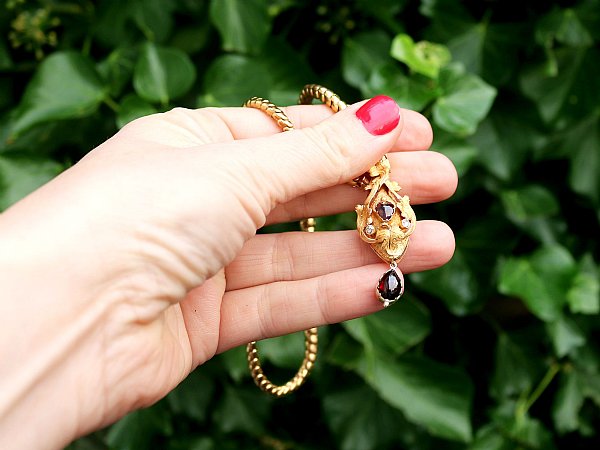
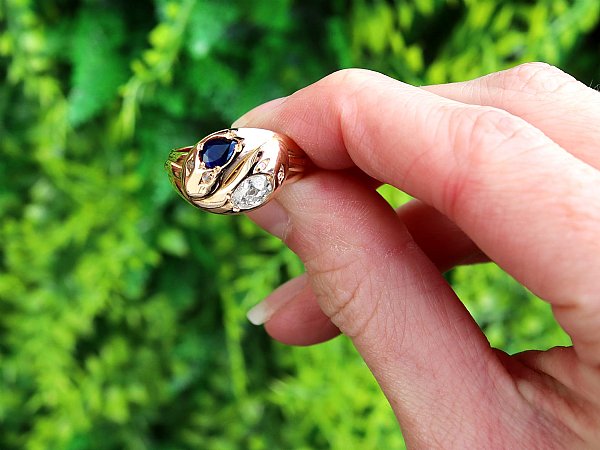
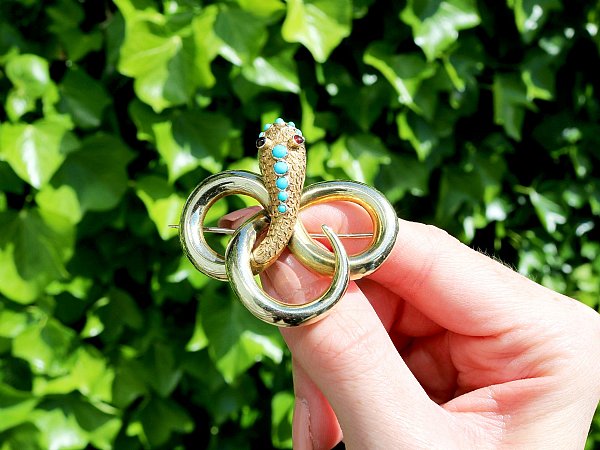
One of the most famous symbols in Victorian jewellery is the serpent. To modern eyes, it might seem an unusual choice for a romantic jewel, but in the 19th century it carried powerful associations with eternity, everlasting love, and wisdom. Its circular, unbroken form made it a natural symbol of endless devotion.
The serpent became especially fashionable after Queen Victoria received a snake engagement ring from Prince Albert. Suddenly, what might have seemed strange became stylish, sentimental, and unmistakably romantic. Victorian serpent rings, brooches, and bracelets remain some of the most recognisable and collectible pieces from the era.
Hearts, Bows and Hands
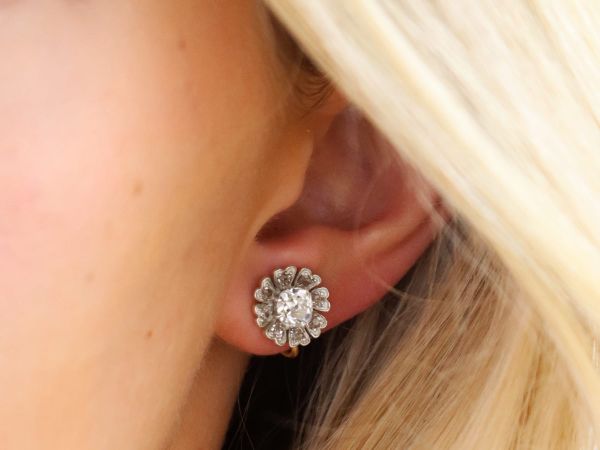
Some Victorian symbols are a little more immediately familiar. Hearts represented love, affection, and emotional sincerity, which made them a popular feature in rings, lockets, and brooches. They could be simple and sweet or richly decorated with gemstones and engraving.
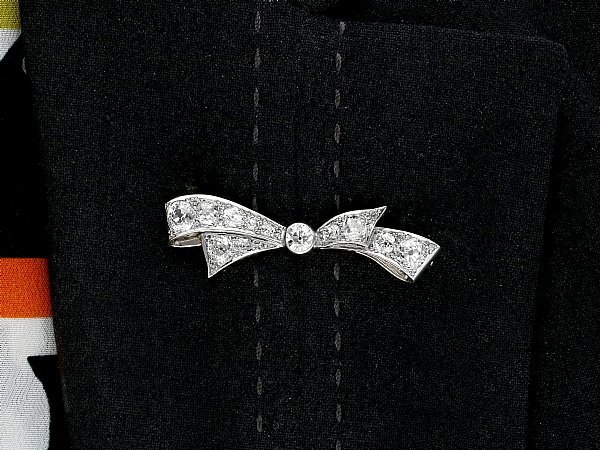
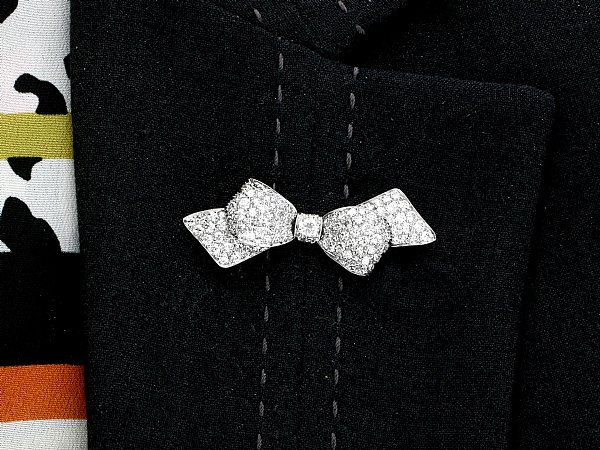
Bows carried a slightly different meaning. They often suggested connection, ties of affection, and unity, which made them especially fitting for sentimental gifts. Meanwhile, hand motifs were also common, particularly clasped hands, which symbolised friendship, commitment, or marriage. These details were rarely random. In Victorian jewellery, even the smallest motif usually had intention behind it.
Flowers That Said More Than Words
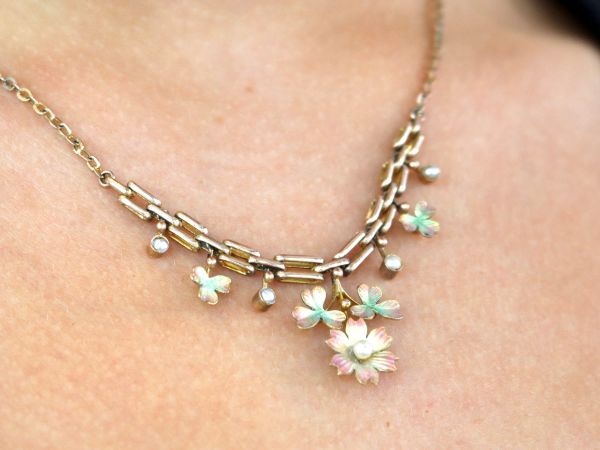
Victorians were famously fond of floriography, or the language of flowers, and this fascination naturally found its way into jewellery. Floral motifs were not just pretty decorative additions. They often communicated subtle emotional messages.
Forget-me-nots symbolised remembrance and enduring affection, making them especially common in sentimental and mourning jewellery. Roses were linked with love and beauty. Lily motifs could suggest purity, while ivy represented fidelity and attachment. A flower-shaped brooch or ring might therefore say far more than its design first suggests.
This is part of the magic of Victorian jewellery. It rewards a closer look. What appears ornamental often turns out to be deeply expressive.
Lockets and Hairwork Jewellery
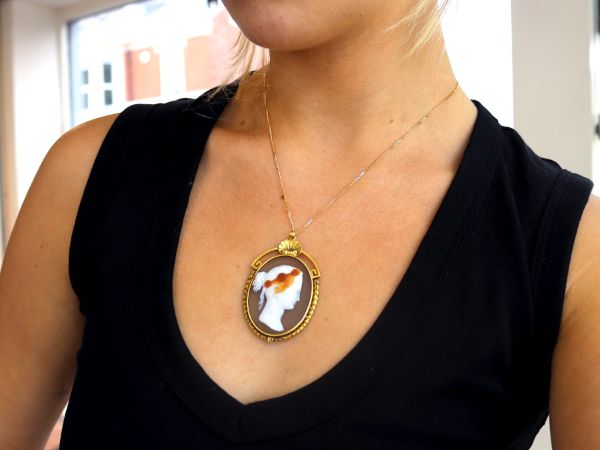
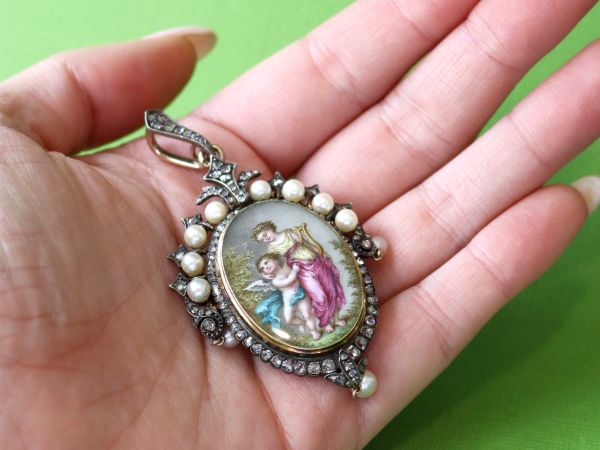
Few forms of Victorian jewellery feel more personal than lockets and hairwork pieces. These were not simply fashion items. They were keepsakes, often used to preserve a miniature portrait, a photograph, or a lock of hair belonging to a loved one.
Hairwork jewellery in particular can feel surprisingly intimate to modern audiences, but in the Victorian period it was a meaningful and accepted expression of attachment and memory. It could be worn to celebrate love, commemorate family, or remember someone who had died. In many cases, the emotional value of the piece mattered even more than its material worth.
That emotional intensity is one reason Victorian jewellery still resonates so strongly. It was designed to hold feeling, not just sparkle.
The Symbolism of Mourning Jewellery
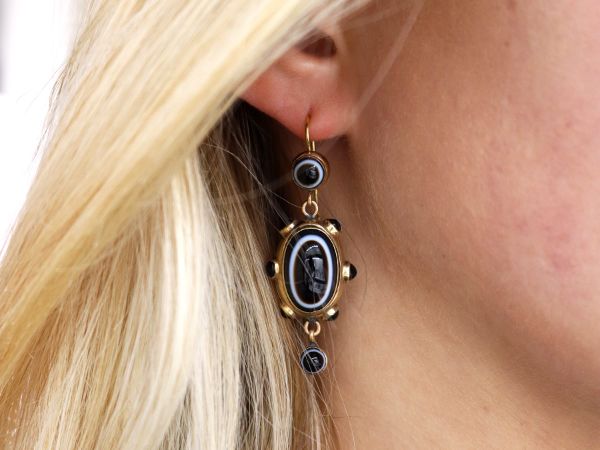
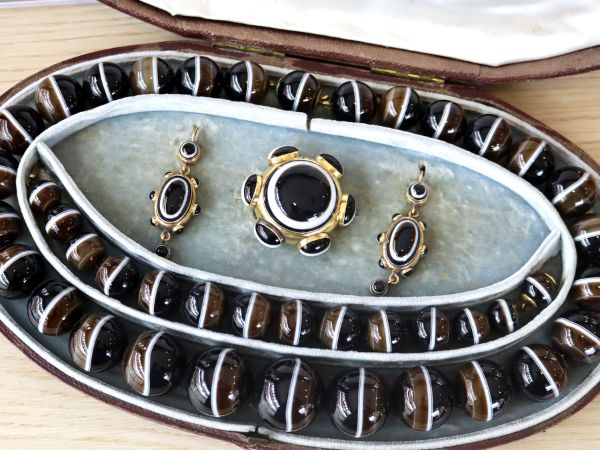
Victorian mourning jewellery carries some of the most powerful symbolism of the era. After Prince Albert’s death, mourning culture became especially visible, and jewellery played a central role in how grief was expressed. Pieces made with black enamel, jet, onyx, or darkened settings often signalled remembrance, loss, and respect for the dead.
Motifs in mourning jewellery could include urns, crosses, weeping willows, and forget-me-nots, each reinforcing themes of sorrow and memory. These pieces were not gloomy in a careless way. They were deliberate, reverent, and emotionally loaded. Even today, they have an undeniable presence.
For collectors, mourning jewellery is often some of the most moving Victorian jewellery because the symbolism feels so immediate and human.
Stars, Crescents and Celestial Motifs
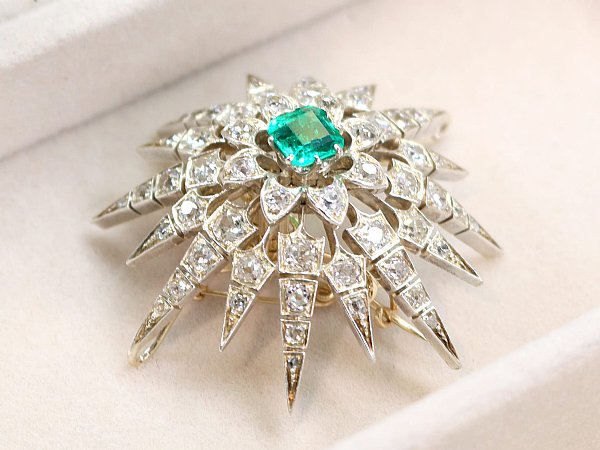
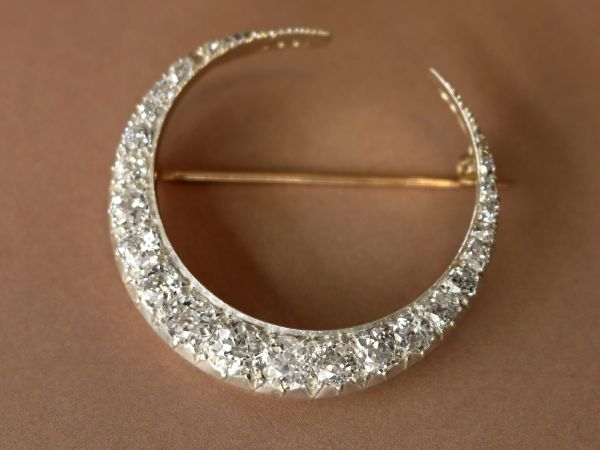
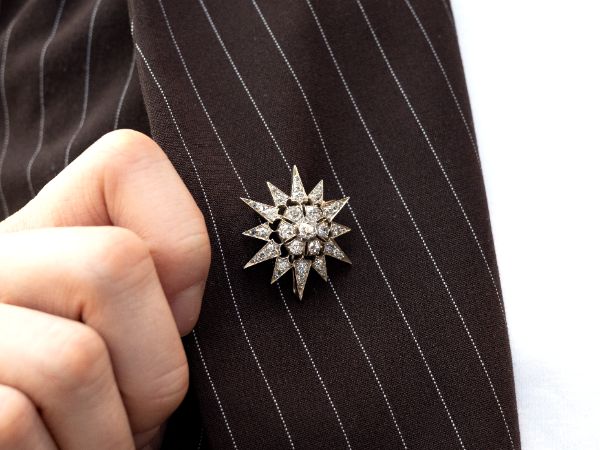
Later Victorian jewellery often embraced celestial imagery, and these motifs remain hugely popular today. Stars could symbolise guidance, hope, or brilliance. Crescents were associated with femininity and change, while moon and star combinations had a dreamy, romantic quality that still feels wearable now.
These celestial designs helped Victorian jewellery move toward a lighter, more aesthetic mood in the later decades of the 19th century. They show that symbolism in jewellery was not always heavy or solemn. Sometimes it was simply imaginative, elegant, and full of wonder.
Why Victorian Jewellery Symbolism Still Fascinates Us
Part of the reason Victorian jewellery continues to hold attention is that it invites interpretation. A modern piece might be admired for its look, but a Victorian piece often asks you to go further. What did it mean to the person who gave it? What message was hidden in the motif? Was it a declaration of love, a token of grief, or a quiet symbol of loyalty?
That sense of mystery adds so much depth. It slows you down, which is rare in jewellery shopping today. You are not just looking at an antique ring or brooch. You are reading a message from another century.
Discovering the Stories Behind Antique Jewellery
Victorian jewellery symbolism is one of the richest and most fascinating parts of antique jewellery history. From serpents and hearts to flowers, mourning motifs, and celestial details, these pieces were created to communicate emotion in ways that still feel meaningful now.
Once you understand the symbolism, Victorian jewellery becomes even more compelling because every detail starts to feel intentional. For anyone drawn to antique jewellery with beauty, story, and substance.